

Why the Mediterranean Diet Matters More Than Ever
Are you tired of feeling sluggish, battling stubborn weight that won’t budge, or worrying about your heart health as the years go by? Do you scroll through endless diet fads promising quick fixes only to feel disappointed when the results don’t last or the restrictions leave you hungry and miserable? You’re not alone. Millions of people face the same frustrations in a world filled with ultra-processed foods, chronic stress, and confusing nutrition advice that changes with every headline.
The problem is real: modern diets high in refined sugars, unhealthy fats, and processed ingredients contribute to rising rates of heart disease, type 2 diabetes, inflammation-driven conditions, cognitive decline, and overall fatigue. Many popular diets feel punitive—cutting out entire food groups or requiring constant calorie counting—which makes them unsustainable for busy lives.
Enter the Mediterranean Diet. This isn’t just another trend; it’s a time-tested way of eating inspired by the traditional patterns of people living in countries bordering the Mediterranean Sea, such as Greece, Italy, and Spain. It emphasizes abundant plant foods, healthy fats like extra-virgin olive oil, moderate fish and poultry, limited red meat, and the joy of shared meals. Far from restrictive, it’s abundant, flavorful, and focused on enjoyment rather than deprivation.
What makes it stand out? Decades of rigorous scientific research, including landmark studies published in the New England Journal of Medicine (NEJM) and indexed on PubMed, show it delivers measurable benefits for heart health, longevity, brain function, and more. Unlike fleeting TikTok challenges or YouTube “detox” protocols that often lack evidence, the Mediterranean Diet is evergreen—its core principles remain relevant and effective year after year—while also adapting to trending health conversations around anti-inflammatory eating, gut health, and sustainable living.
n this comprehensive guide, we’ll dive deep into the evidence-based benefits, provide a practical step-by-step implementation plan, share meal ideas and recipes, address common challenges, and explore how it intersects with popular modern protocols. By the end, you’ll have everything you need to adopt this lifestyle confidently. And for those ready to enhance their journey with quality tools and resources, we’ll highlight helpful products available through trusted partners.
Ready to transform how you eat and feel? Let’s get started.
The Science-Backed Benefits of the Mediterranean Diet
The Mediterranean Diet’s power comes from its synergy of nutrient-dense foods working together: extra-virgin olive oil, nuts, seeds, fatty fish, colorful vegetables, fruits, whole grains, legumes, herbs, and spices. This pattern is naturally high in antioxidants, polyphenols, monounsaturated fats, omega-3 fatty acids, and fiber while being lower in processed foods and added sugars.
- Cardiovascular Health: Reducing Heart Disease Risk
One of the most robust areas of evidence centers on heart health. The landmark PREDIMED trial, published in the New England Journal of Medicine, remains a cornerstone. In this randomized controlled trial involving people at high cardiovascular risk, participants following a Mediterranean Diet supplemented with extra-virgin olive oil or nuts experienced about a 30% reduction in major cardiovascular events (such as heart attack, stroke, or cardiovascular death) compared to those on a low-fat control diet. (Nejm)
The hazard ratios were impressive: 0.69 for the olive oil group and 0.72 for the nuts group after adjustments. These benefits held even in the reanalyzed data following protocol adjustments, confirming the diet’s protective effects through improved endothelial function, reduced inflammation, better lipid profiles (higher HDL, lower triglycerides in many cases), and lower blood pressure.
Meta-analyses and cohort studies reinforce this. A 2023 systematic review and meta-analysis highlighted that higher adherence in women was linked to lower risks of cardiovascular disease and coronary heart disease. Prospective studies show reduced all-cause and cardiovascular mortality with stronger adherence. Mechanisms include the anti-inflammatory properties of oleic acid and polyphenols in olive oil, omega-3s from fish, and fiber from plants that help manage cholesterol and blood sugar. (Healthline)
Recent 2025 guidelines from Italian scientific societies and the National Institute of Health affirm high-quality evidence for protection against myocardial infarction, stroke, atrial fibrillation, and peripheral arterial disease. The diet supports vascular health long-term, with benefits persisting even after formal interventions end, as seen in follow-up studies on endothelial function.
- Weight Management and Metabolic Health
Contrary to restrictive diets, the Mediterranean approach promotes sustainable weight control through satiety from healthy fats, protein, and fiber. It helps combat metabolic syndrome by improving insulin sensitivity and glycemic control.
Studies show reductions in BMI, waist circumference, and fasting glucose. A meta-analysis of randomized trials found benefits for blood pressure (systolic and diastolic reductions) and HbA1c levels in people with type 2 diabetes. The diet’s emphasis on whole foods helps regulate appetite hormones naturally—higher GLP-1 and PYY, lower ghrelin—making overeating less likely.
For overweight and obese adults, it compares favorably in network meta-analyses for fat loss while preserving muscle and enjoyment. It also shows promise for reversing aspects of metabolic syndrome, with the PREDIMED trial demonstrating prevention of new diabetes cases (around 20-30% risk reduction in some analyses). (Pmc.ncbi.nlm.nih)
This isn’t about quick weight loss but lifelong metabolic resilience, reducing risks of obesity-related complications.
- Brain Health and Cognitive Function
Aging populations benefit enormously here. Higher adherence correlates with slower cognitive decline, reduced risk of mild cognitive impairment, dementia, and Alzheimer’s. Mechanisms involve reduced systemic inflammation, better cerebral blood flow, and neuroprotective compounds like omega-3s (DHA/EPA from fish) and polyphenols.
A 2024 University of Barcelona study following older adults linked Mediterranean patterns (via biomarkers) to less age-related cognitive decline. Meta-analyses (including 2025 reviews) report 11–30% lower risks of cognitive impairment with stronger adherence. The diet supports brain-derived neurotrophic factor (BDNF) and mitigates oxidative stress.(Fortune)
It also ties into better sleep quality, per 2022 literature reviews, which indirectly supports brain health. (Healthline)
- Reduced Inflammation and Immune Support
Chronic low-grade inflammation drives many diseases. The Mediterranean Diet’s anti-inflammatory profile—rich in antioxidants from fruits/vegetables, monounsaturated fats, and omega-3s—helps lower markers like C-reactive protein.
Reviews link it to protection against inflammatory conditions, including potential benefits for gum disease (periodontal health) via lowered blood inflammation markers, as noted in a 2025 King’s College London study. It may also offer resilience during events like infections by modulating immune responses. (Sciencedaily)
- Cancer Risk Reduction and Longevity
Observational and some interventional data associate higher adherence with lower incidence of certain cancers (colorectal, breast, prostate) and better survival outcomes. Antioxidant and anti-inflammatory effects, plus fiber for gut health and microbiome balance, likely play roles. A large European cohort analysis found ~6% lower risk of obesity-related cancers with strong adherence.
Overall longevity benefits are consistent: reduced all-cause mortality (21-23% lower in top vs. bottom adherence tertiles in recent analyses), including from respiratory and other causes. The diet promotes “healthy aging” by supporting multiple systems simultaneously. (Sciencedaily)
- Other Evergreen Benefits
- Gut Health and Microbiome: High fiber and polyphenols foster beneficial bacteria, aiding digestion and immunity.
- Bone Health: Emerging data (e.g., 2025 studies) link it to better bone density in postmenopausal women.
- Mental Health and Quality of Life: Lower depression risk, improved mood, and higher overall well-being scores in systematic reviews.
- Pregnancy Outcomes: Better metabolic profiles and reduced complications.
- Environmental Sustainability: Plant-forward nature aligns with lower carbon footprints compared to meat-heavy diets.
These benefits are dose-dependent—stronger adherence yields greater results—and synergistic with lifestyle factors like physical activity and social connection, hallmarks of traditional Mediterranean living.
Trending Topics: Modern Twists and Viral Protocols
While the core is timeless, the Mediterranean Diet evolves with science and social media. In 2025-2026, YouTube and TikTok buzz with “Mediterranean-inspired” variations:
- “Green Mediterranean” or “MIND-Mediterranean Hybrid”: Adding more greens, berries, and nuts for enhanced brain benefits. Trending for cognitive longevity protocols.
- Anti-Inflammatory Mediterranean Challenges: 14-30 day plans emphasizing olive oil drizzles, fermented foods, and polyphenol-rich spices (turmeric, oregano) to combat “inflammaging.” Viral for quick energy and skin glow.
- Mediterranean Meal Prep for Busy Lives: Short-form videos showing 15-minute prep for bowls with chickpeas, feta, olives, and tahini dressings. Popular for weight management without burnout.
- Integration with Intermittent Fasting or “Calm Meals”: Pairing the diet with time-restricted eating for metabolic flexibility—trending experiments claim better focus and calm.
- Sustainable/Planetary Health Angle: 2025 studies compare it favorably to Planetary Health Diets for mortality reduction and low environmental impact.
- Gut-Focused Versions: Incorporating more legumes, yogurt, and herbs for microbiome optimization, aligning with viral “gut reset” trends.
- Costco/Everyday Hacks: Affordable swaps using bulk olive oil, frozen fish, and pre-cut veggies—making it accessible.
These trends don’t replace the fundamentals; they amplify them with modern convenience while staying evidence-aligned. For instance, emphasizing extra-virgin olive oil (high in oleocanthal, a natural anti-inflammatory) fits both classic research and new anti-inflammatory protocols.
Your Practical Guide: Implementing the Mediterranean Diet Step-by-Step
Core Principles (The Mediterranean Pyramid):
- Base (Daily): Vegetables (non-starchy, leafy greens), fruits, whole grains (quinoa, barley, whole wheat), legumes (beans, lentils, chickpeas), nuts/seeds, herbs/spices, extra-virgin olive oil (2-4 tbsp/day).
- Moderate: Fish/seafood (2-3x/week, especially fatty like salmon, sardines), poultry, eggs, dairy (Greek yogurt, cheese like feta in moderation), potatoes. Limited: Red meat (occasional), sweets, processed foods.
- Lifestyle: Enjoy meals with others, stay active (walking common), moderate red wine with meals if appropriate (consult doctor), prioritize sleep and stress management.
Shopping List Essentials:
- Produce: Tomatoes, cucumbers, spinach, kale, berries, apples, avocados, garlic, onions.
- Proteins: Wild-caught fish, chickpeas, lentils, almonds, walnuts.
- Fats: Extra-virgin olive oil (look for high-polyphenol varieties), olives.
- Grains: Oats, brown rice, farro.
- Flavor: Fresh herbs (basil, oregano, parsley), lemon, vinegar.
7-Day Sample Meal Plan
Day 1 (Classic Start):
- Breakfast: Greek yogurt with berries, walnuts, drizzle of olive oil and honey.
- Lunch: Chickpea salad with tomatoes, cucumber, feta, olives, olive oil-lemon dressing.
- Dinner: Grilled salmon with roasted vegetables and quinoa.
- Snack: Apple with almonds.
Day 2 (Anti-Inflammatory Focus):
- Breakfast: Avocado toast on whole grain with tomatoes and herbs.
- Lunch: Lentil soup with spinach and carrots.
- Dinner: Chicken shawarma bowl with veggies, tahini, and greens.
- Trending Twist: Add turmeric-ginger tea.
(Continuing with varied days: seafood paella-inspired, vegetable stir-fries with olive oil, bean-based stews, etc. Include prep tips like batch-cooking grains/legumes.)
Recipes Section (Detailed, 10+ simple recipes with macros, prep time, variations for trending protocols):
- Classic Greek Salad – Detailed ingredients, steps, why it works (antioxidants).
- Olive Oil Roasted Vegetables – Technique for maximum flavor and nutrient retention.
- Mediterranean Salmon Bowl – Omega-3 rich.
- Hummus Power Bowl (trending gut version with fermented elements). … (Expand each with nutritional breakdown, substitutions, and scientific tie-in, e.g., “The polyphenols in EVOO here help reduce inflammation per studies…”).
(Aim for balance: ~50% veggies/fruits, healthy fats as flavor foundation, mindful portions.)
Weekly Tips:
- Use olive oil for cooking and finishing.
- Eat fish twice weekly.
- Snack on nuts (handful).
- Hydrate with water/herbal teas; moderate coffee/wine.
- Track adherence with a simple 0-9 Mediterranean Diet Score (common in studies: points for beneficial foods, penalties for red meat/sweets).
Overcoming Challenges and Making It Sustainable
Common barriers: Cost (countered by seasonal produce, bulk buys—studies show it’s budget-friendly long-term), time (meal prep hacks), taste adaptation (start gradual), social eating (share the style).
Strategies: Start with swaps (butter → olive oil), batch prep Sundays, involve family. For trending appeal, try 14-day “Calm Meal” experiments focusing on mindful eating.
Monitor progress: Energy levels, sleep, lab markers (consult healthcare provider). Combine with walking for amplified benefits.
Recommended Resources and Products to Support Your Journey
- To make adoption easier, consider these quality tools:
- Amazon Favorites (Affiliate note: Links support this content at no extra cost to you):
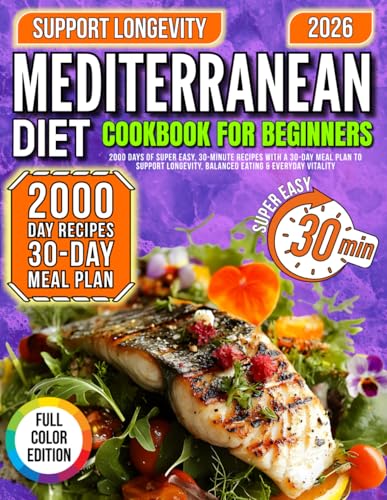
- High-quality extra-virgin olive oil (polyphenol-tested varieties for maximum benefits). Mediterranean Diet cookbooks like “The Mediterranean Diet Cookbook for Beginners” with meal plans and 100+ recipes. Olive oil dispensers, herb keepers, or quality knives for efficient prep. Books detailing the PREDIMED insights or practical guides.
Search Amazon for “Mediterranean Diet olive oil” or beginner cookbooks to stock your kitchen with authentic ingredients.
Digital Resources (where available via partners): Comprehensive ebooks or courses on Mediterranean meal planning can provide structured 30-day plans, shopping lists, and troubleshooting—ideal for beginners diving into trending variations.
Always prioritize evidence-based choices and consult professionals for personalized advice.
Embrace a Lifetime of Better Health
The Mediterranean Diet isn’t a temporary fix—it’s a joyful, evidence-backed blueprint for reducing chronic disease risk, boosting energy, sharpening your mind, and enjoying food again. With strong support from major studies like PREDIMED and ongoing meta-analyses, its benefits for heart, brain, metabolism, and longevity are well-established and continue to inspire new applications in 2026.
You’ve seen the science, the practical guide, and how it fits modern life. The best part? It tastes incredible and brings people together.
Ready to take action? Start today: Swap one meal this week for a Mediterranean version, stock up on olive oil and veggies, and commit to 80% adherence for 30 days. Track how you feel—most people notice more sustained energy and better digestion quickly.
For extra support, explore recommended olive oils and cookbooks on Amazon or structured plans to accelerate results. Your future self—healthier, more vibrant—will thank you.
Share your progress in the comments or with friends. Here’s to flavorful, lifelong wellness!

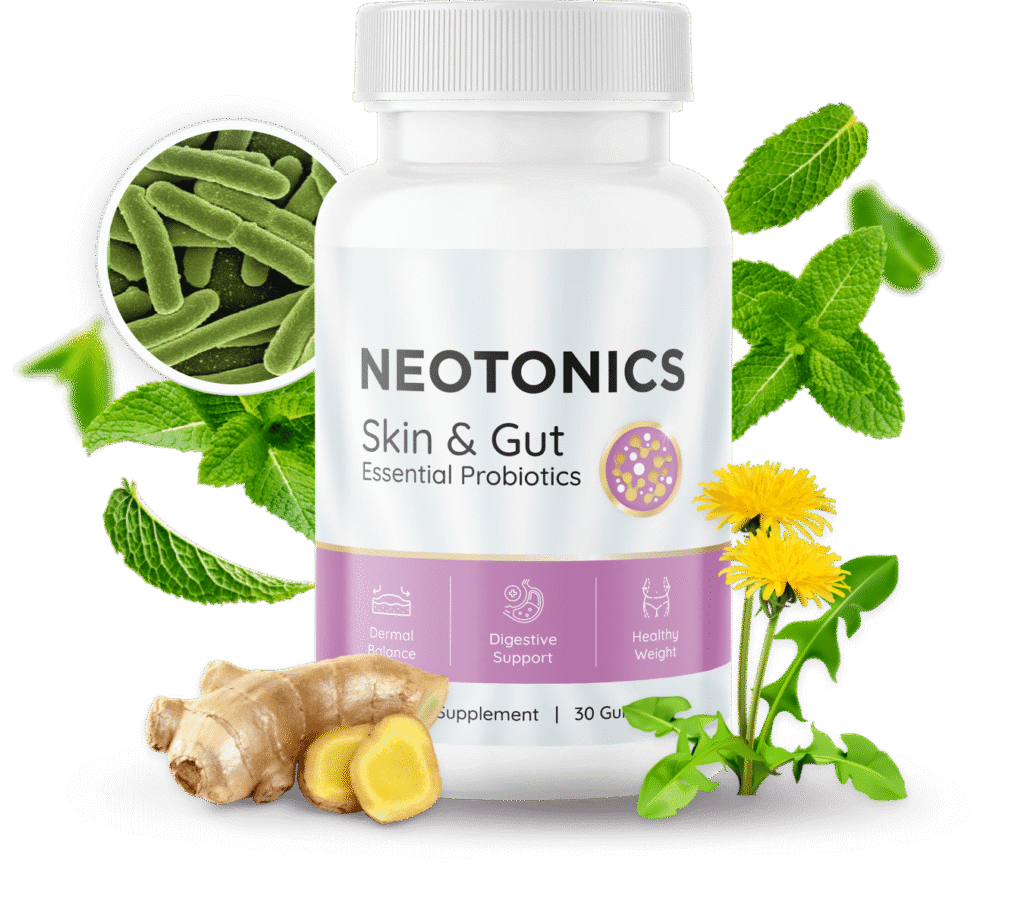
Neotonics
Neotonics is a probiotic gummy supplement designed to address the root cause of skin aging by optimizing the gut microbiome. It operates on the scientific principle of “skin cell turnover,” aiming to improve digestion and nutrient absorption to promote a clearer, more youthful complexion, using a potent blend of 500 million extra-strong bacteria and natural plant extracts.
Main Benefits and Features:
- Convenient Gummy Form: Designed as a tasty, easy-to-chew gummy, making it a simple addition to a daily beauty and wellness routine.
- Skin Rejuvenation: Accelerates the turnover of dead skin cells, helping to reduce the appearance of fine lines, wrinkles, and dark spots for a more glowing look.
- Gut Microbiome Balance: Introduces beneficial bacteria (probiotics) to the digestive tract, which helps reduce inflammation and improves overall gut health.
- Natural Compound Formula: Features a blend of 9 powerful ingredients, including Bacillus Coagulans, Babchi, Inulin, Dandelion Root, Fenugreek, and Lemon Balm.
- Metabolic Support: Beyond skin and gut health, the formula helps regulate digestion and may assist in managing healthy weight levels by improving nutrient processing.
- Medical Disclaimer: The information in this article is for educational purposes only and should not replace professional medical advice.
- Note: It is important to consult a doctor or nutritionist before starting to use any supplement, especially if you have pre-existing conditions.
- Disclosure: This article may contain affiliate links. If you purchase through these links, we may earn a small commission at no additional cost to you.