

The Endless Debate That’s Keeping You Stuck
Are you exhausted from trying one diet after another, only to lose a few pounds and then watch them come right back — often with extra frustration and fatigue? Do you wonder whether you should slash carbs aggressively for quick results or load up on protein to stay full and protect your muscle while dropping fat? With endless conflicting advice on YouTube, TikTok, and social media, it’s easy to feel overwhelmed and confused about what actually works for sustainable weight loss.
The core problem is simple yet frustrating: many popular approaches promise fast results but fail to deliver lasting change. Low-carb or keto protocols often deliver initial rapid scale drops (mostly water and glycogen), while high-carb plans can leave people feeling hungry and dealing with energy crashes. Meanwhile, calorie restriction alone frequently leads to muscle loss, metabolic slowdown, and rebound weight gain.
Here’s the good news: decades of research, including large randomized trials published in the New England Journal of Medicine (NEJM) and indexed on PubMed, shows that both protein and carbohydrates play important roles — but they influence weight loss through different mechanisms. Higher protein intake consistently supports greater satiety, preserves lean muscle, increases the thermic effect of food (calories burned digesting), and improves body composition. Carbohydrates provide energy for workouts and daily function, but their quality and timing matter enormously.
This isn’t about declaring one macronutrient the “winner.” It’s about understanding the evidence-based trade-offs so you can create a personalized, sustainable approach. In this in-depth guide, we’ll break down the science (70% evergreen foundations from landmark studies), explore practical implementation with meal plans and guides, address common myths, and touch on trending protocols going viral in 2026 (30% focus). You’ll finish with clear, actionable steps — plus recommended tools and supplements to support your journey.
Whether your goal is steady fat loss, better energy, or improved metabolic health, the right balance of protein and carbs can make all the difference. Let’s dive into what the research actually reveals.
The Evergreen Science: How Protein and Carbs Affect Weight Loss
The battle between high-protein and high-carbohydrate diets for weight loss has been studied extensively in randomized controlled trials (RCTs), meta-analyses, and long-term follow-ups. While total calorie deficit remains the primary driver of fat loss, macronutrient composition influences satiety, adherence, muscle retention, metabolic rate, and hormonal responses.
1. Satiety and Appetite Control: Why Protein Wins Short-Term
Protein is the most satiating macronutrient. It triggers stronger release of satiety hormones (like GLP-1, PYY, and CCK) and suppresses ghrelin (the hunger hormone) more effectively than carbs or fats.
A classic review by Halton and Hu (2004, updated in later analyses) found that higher-protein meals reduce subsequent energy intake. Studies show people on high-protein diets (25-30%+ of calories) spontaneously eat fewer calories — sometimes 200-400 fewer per day — due to prolonged fullness.
In contrast, high-glycemic or refined carbs can cause blood sugar spikes and crashes, leading to increased hunger. However, high-fiber, lower-glycemic carbs (from vegetables, legumes, and whole grains) blunt this effect and support steady energy.
Key Evidence: Multiple trials, including those summarized on HealthLine and PubMed, confirm higher protein enhances satiety independent of calorie matching in many short-term studies. (Pubmed.ncbi.nlm.nih)
2. Thermic Effect of Food (TEF): Protein Burns More Calories
The thermic effect — calories your body burns processing food — is highest for protein (20-30%), compared to carbs (5-10%) and fats (0-3%). This means a high-protein meal literally requires more energy to digest and metabolize.
One study comparing whey, casein, soy, and high-carb meals found whey protein had the highest TEF (~14.4%) versus ~6.6% for carbs. Cumulative fat oxidation also tended to be higher after protein-rich meals.
Over time, this small but consistent boost (extra 50-100+ kcal/day on a high-protein diet) can support weight loss or maintenance without extra effort.
3. Muscle Preservation and Metabolic Rate
During weight loss, losing muscle is common and undesirable — it slows metabolism and makes regain easier. Higher protein intake (1.2–2.0 g/kg body weight or ~25-35% of calories) helps preserve lean mass, especially when combined with resistance training.
Meta-analyses (e.g., Krieger 2006) show that higher-protein, lower-carbohydrate diets are associated with greater fat mass loss and better retention of fat-free mass in studies longer than 12 weeks. Low-carb diets (<40% carbs) in longer interventions showed advantages in fat loss. (Ncbi.nlm.nih)
The landmark Pounds Lost study (Sacks et al., NEJM 2009) compared diets varying in protein (15% vs 25%), fat, and carbs. At 2 years, weight loss was similar across groups (~3-4 kg maintained), but all reduced-calorie diets worked when adherence was good. Satiety and satisfaction were comparable. (Pmc.ncbi.nlm.nih)(Pmc.ncbi.nlm.nih)
Another NEJM trial (Foster et al., 2003) found low-carb diets produced greater weight loss in the first 6 months (~4% more) than conventional low-fat diets, though differences often narrowed later. (Nejm)
4. Insulin Sensitivity, Blood Sugar, and Metabolic Health
High-protein diets often improve insulin sensitivity and reduce inflammatory markers more than high-carb versions in some populations. A 2013 study in obese women without diabetes found a hypocaloric high-protein diet led to greater improvements in oxidative stress, inflammation (CRP, IL-6, TNF-α), adiponectin, resting energy expenditure, and β-cell function compared to high-carb. (Pmc.ncbi.nlm.nih)
However, the DIETFITS trial (Gardner et al., 2018) — a high-quality 12-month study — showed no significant difference in weight loss between healthy low-fat (~48% carbs) and healthy low-carb (~30% carbs) diets (~5.3 kg vs ~6.0 kg). Neither genotype nor insulin secretion strongly predicted success, emphasizing individual response and food quality over strict macros. (Pmc.ncbi.nlm.nih)
A 2022 Cochrane review found low-carb diets probably result in little to no difference in weight loss compared to balanced-carb diets up to 2 years (moderate certainty evidence). Both approaches work when calories are controlled. (Pmc.ncbi.nlm.nih)
Longer-term meta-analyses (Clifton et al.) suggest modest advantages for higher-protein, lower-carb approaches in fat mass loss and triglyceride/insulin improvements, with small sustained effects when protein difference is ≥5%. (Pmc.ncbi.nlm.nih)
5. Body Composition and Fat Loss
Higher protein supports better body recomposition — losing fat while maintaining or gaining muscle. Low-carb diets can accelerate initial fat loss via glycogen depletion and ketosis, but much of the early advantage is water weight.
Systematic reviews indicate low-carb/high-protein diets are more effective at 6 months and comparable or slightly better long-term for fat loss in many cases, provided protein is adequate.
Evergreen takeaway: Calorie deficit + adequate protein (spread across meals) + resistance training is the most reliable path for sustainable fat loss and metabolic health. Carbs are not the enemy — poor-quality, refined carbs and overall excess calories are bigger issues for most people.
6. Other Evergreen Benefits and Considerations
- High-protein diets may improve blood pressure, lipid profiles (especially triglycerides), and inflammatory markers in some studies.
- Carbs from whole sources provide fiber, micronutrients, and sustained energy for exercise performance.
- Potential downsides: Very high protein (>2.2 g/kg) may strain kidneys in those with pre-existing issues (consult a doctor). Extremely low-carb can cause initial fatigue, “keto flu,” or reduced workout intensity for some.
- Adherence is king: The best diet is one you can sustain. Studies show similar long-term results when food quality is high and calories controlled.
Landmark trials like DIRECT, PREDIMED extensions, and others reinforce that Mediterranean-style patterns (balanced macros with emphasis on quality) often perform well for both weight and heart health.
Trending Topics in 2026: Viral Protocols on YouTube and TikTok
While fundamentals remain stable, social media amplifies new twists:
- Protein Prioritization (“Protein for All”): 2026 trends emphasize hitting 1.6–2.2 g/kg daily, often via “protein-first” meals or preloads. Viral challenges focus on 30g+ protein per meal for satiety and muscle.
- Carb Cycling and Targeted Carbs: Alternate high-carb (training days) and low-carb (rest days) to support performance while promoting fat loss. Popular for athletes and those hitting plateaus.
- High-Protein UPF Experiments: Short-term studies on protein-enriched ultra-processed foods show mixed results — better energy partitioning but not always preventing overeating due to high eating rate.
- “Protein Leverage” Content: Videos explaining how the body seeks protein, potentially leading to overeating low-protein foods. Trending hacks include protein-sparing modified fasts or high-protein meal preps.
- Gut Health + Protein: Combining higher protein with fiber-rich carbs (legumes, veggies) for microbiome benefits. 2026 trends blend high-protein with “fiber-maxing.”
- Hybrid Approaches: Mediterranean + higher protein, or low-carb with quality carbs from plants/nuts. Viral “realistic bio-hacking” avoids extremes.
- Plant vs Animal Protein Debates: Rising interest in high-quality plant proteins for sustainability and health markers.
These trends build on evergreen science: prioritize protein for satiety and muscle, choose quality carbs (not refined), and focus on consistency over perfection. Many viral protocols succeed short-term due to structure and novelty but require personalization for longevity.
Your Practical Guide: Implementing Protein vs Carbs for Weight Loss
Step-by-Step Framework (Evidence-Based and Sustainable):
1. Calculate Your Needs
- Calories: Aim for 500 kcal daily deficit for ~0.5 kg/week loss (use TDEE calculators).
- Protein: 1.2–2.0 g/kg ideal body weight or current weight (e.g., 80–150g+ for most adults). Spread across 3–4 meals (~25–40g each).
- Carbs: 40–55% for balanced energy; lower (20–35%) if you tolerate and prefer it for appetite control. Prioritize fiber (>25–35g/day).
- Fats: Fill the rest (20–35%), emphasizing healthy sources.
2. Macronutrient Ratios to Consider
- Balanced (Evergreen winner for many): 25–30% protein, 40–50% carbs, 25–30% fat.
- Higher Protein/Moderate Carb: 30–35% protein, 35–45% carbs.
- Lower Carb/Higher Protein: 25–30% protein, <40% carbs (monitor energy).
3. Meal Timing and Composition
- Protein preload: 15–30g protein 15–30 min before meals to enhance satiety.
- Post-workout: Combine protein + carbs for recovery.
- Evening: Higher protein, moderate carbs to support overnight satiety.
7-Day Sample Meal Plan (Balanced with Higher-Protein Option):
Day 1 (Balanced):
- Breakfast: Greek yogurt (20g protein) + berries + almonds.
- Lunch: Grilled chicken salad with mixed greens, veggies, quinoa, olive oil dressing (~35g protein).
- Dinner: Baked salmon, sweet potato, broccoli (~30g protein).
- Snack: Cottage cheese or protein shake.
Higher-Protein Variation: Swap quinoa for extra chicken or add whey/casein shake; reduce starchy carbs slightly.
(Expand with full 7 days: Include vegetarian options with eggs, Greek yogurt, legumes, tofu; detailed recipes with prep time, macros, and science tie-ins like “This meal’s ~40g protein boosts TEF and satiety per studies…”).
Recipes Section (10+ detailed options):
- High-Protein Breakfast Scramble
- Satiety-Packed Chicken or Chickpea Bowl
- Post-Workout Protein + Carb Recovery Smoothie
- Lean Beef Stir-Fry with Veggies (moderate carbs)
- Cottage Cheese or Greek Yogurt Parfait variations … (Each with ingredients, steps, nutritional rationale, substitutions for trending protocols like carb cycling.)
Shopping List & Prep Tips:
- Proteins: Chicken, turkey, fish, eggs, Greek yogurt, cottage cheese, whey/casein/plant protein powder, legumes.
- Quality Carbs: Oats, sweet potatoes, quinoa, berries, non-starchy veggies.
- Tools for success: Meal prep containers, kitchen scale.
Tracking Adherence: Use a simple app or journal. Aim for consistency over perfection. Reassess every 4–6 weeks (weight, measurements, energy, strength).
Common Challenges & Solutions:
- Hunger: Increase protein volume and fiber; add volume-eating veggies.
- Low energy on low-carb: Add targeted carbs around workouts.
- Plateau: Adjust calories, increase NEAT (daily movement), or cycle carbs.
- Sustainability: Include flexible meals for social occasions.
Combine with resistance training 3–4x/week and walking for optimal results.
Build Your Sustainable Winning Strategy
The science is clear: Neither protein nor carbs are villains. Higher protein intake offers proven advantages in satiety, thermogenesis, muscle preservation, and body composition during weight loss. Carbohydrates fuel activity and provide essential nutrients when chosen wisely from whole sources. Landmark studies like those in NEJM (Pounds Lost, DIETFITS) show that quality calories and adherence matter most — different macro ratios can work when total energy is controlled.
In 2026, trending protocols amplify these truths with practical hacks like protein prioritization and smart carb timing, but the evergreen principles endure: Eat enough protein, control portions, emphasize whole foods, move your body, and be consistent.
You’ve now got the evidence, the mechanisms, the practical guide, and the tools. Start simple: Increase protein at your next meal, pair it with fiber-rich carbs or veggies, and track how you feel. Most people notice better fullness and steady progress within weeks.
Take action today: Calculate your protein target, stock up on quality sources (check recommended powders and tools on Amazon), and commit to one week of higher-protein meals. Your energy, confidence, and results will build from there.
Share your experience or questions below — let’s make sustainable weight loss the new normal. Here’s to smarter, science-backed choices and a healthier you!

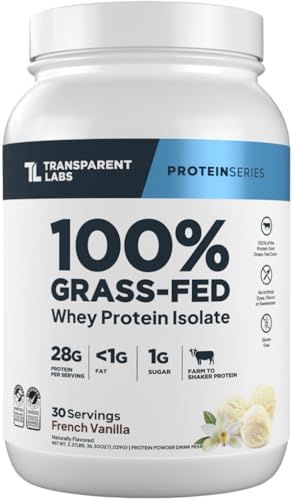
- Naturally Flavored Clean Protein Powder: Made from naturally-fed, hormone-free whey, free of artificial sweeteners, food…
- 28g of Protein Per Serving: Transparent Labs Whey Protein Isolate is sourced from 100% grass-fed, grass finished America…
- Enhance Recovery, Increase Strength: Transparent Labs 100% Grass-Fed Whey Protein Isolate gives you a highly bioavailabl…
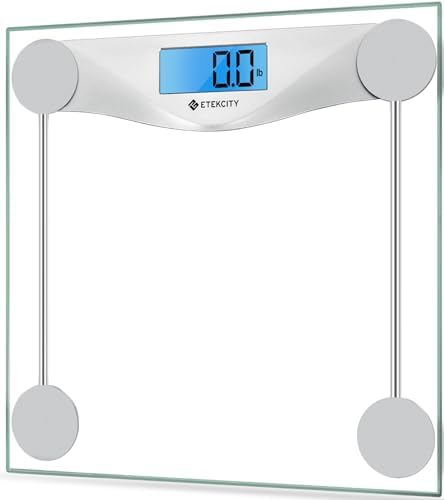
- 𝑹𝒆𝒍𝒊𝒂𝒃𝒍𝒆 𝑷𝒓𝒆𝒄𝒊𝒔𝒊𝒐𝒏: With professional expertise refined over 10 years, our brand design ensures accuracy and reliability…
- 𝑬𝒂𝒔𝒚 𝒕𝒐 𝑼𝒔𝒆: The scale is equipped with an easy-to-read display with automatic on/off, low battery, and overload indicat…
- 𝑴𝒊𝒏𝒊𝒎𝒂𝒍 𝑫𝒆𝒔𝒊𝒈𝒏: Never Let a scale ruin your style. Place this scale in your bathroom, bedroom, or living room. It will c…
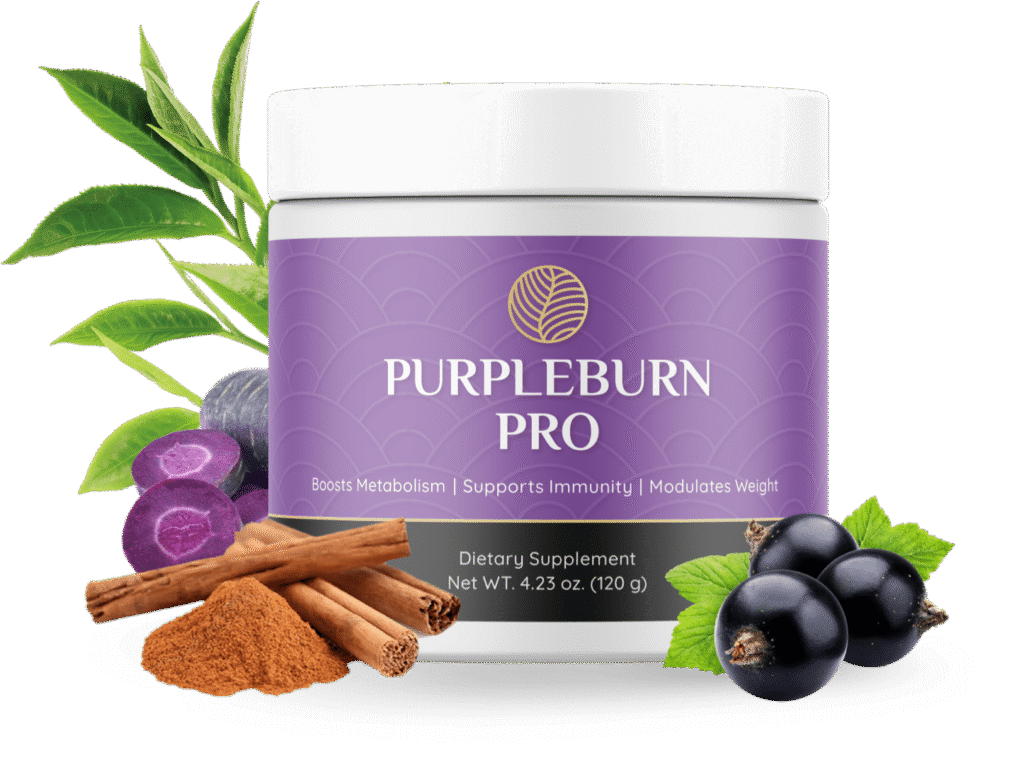
Purpleburn Pro
PurpleBurn Pro is a unique powdered nutritional supplement designed to support healthy weight loss by targeting the complex “immuno-metabolism.” It aims to activate the body’s natural fat-burning processes and improve metabolic health using a specialized blend of purple ingredients rich in anthocyanins, which help the body manage calories more efficiently while boosting immune function.
Main Benefits and Features:
- Immuno-Metabolism Support: Focuses on the connection between the immune system and metabolism, helping the body burn fat while maintaining high energy and health levels.
- Efficient Fat Burning: Stimulates metabolic pathways to process nutrients more effectively, preventing the storage of new fat and targeting stubborn areas.
- Digestive and Gut Health: Contains ingredients that support a healthy digestive tract, reducing bloating and improving nutrient absorption.
- Rich Compound Formula: Features a potent mix of 14 natural ingredients, including Kenyan Purple Tea, Black Currant, Hibiscus, Raspberry, Oat Fiber, and Inulin.
- Convenient Powder Form: The formula is designed to be easily mixed with water, juice, or smoothies, making it a simple and delicious addition to a daily routine.
- Medical Disclaimer: The information in this article is for educational purposes only and should not replace professional medical advice.
- Note: It is important to consult a doctor or nutritionist before starting to use any supplement, especially if you have pre-existing conditions.
- Disclosure: This article may contain affiliate links. If you purchase through these links, we may earn a small commission at no additional cost to you.