

Why Stress Keeps Sabotaging Your Weight Goals
Do you ever notice the scale creeping up during particularly hectic weeks at work, even when you’re “trying to eat healthy”? Or find yourself reaching for ice cream, chips, or extra coffee after a stressful day, only to feel guilty and more overwhelmed the next morning? You’re far from alone. Millions of people struggle with unexpected weight gain that seems tied more to their busy, high-pressure lives than to obvious overeating or lack of willpower.
The problem feels deeply personal and frustrating: You want to lose weight or maintain a healthy size, but chronic stress appears to work against you. Late-night snacking, stubborn belly fat, constant fatigue, and difficulty sticking to exercise routines become the norm. Popular advice often oversimplifies the issue — “just relax” or “eat less” — while ignoring the powerful biological and behavioral mechanisms at play.
Chronic stress triggers a cascade of hormonal, metabolic, and psychological changes that can promote weight gain, particularly around the abdomen. The key player is cortisol, the primary stress hormone, but the story involves appetite regulation, emotional eating, sleep disruption, reduced motivation for physical activity, and even changes in how your body stores fat.
This comprehensive guide explores the well-established science linking stress to weight gain (70% evergreen foundations drawn from decades of research in PubMed, NEJM, and related sources). It also covers practical, evidence-based strategies you can implement today, plus emerging trends and viral protocols gaining traction on YouTube and TikTok in 2026 (30% focus). By the end, you’ll have a clear roadmap to break the stress-weight cycle without extreme diets or unrealistic expectations.
Understanding this connection empowers you to address root causes rather than symptoms. Sustainable progress comes from managing stress responses, supporting healthy habits, and making small, consistent changes. Let’s break it down step by step.
The Evergreen Science: How Stress Drives Weight Gain
The relationship between stress and weight is bidirectional and multifaceted. Acute stress (short-term) can sometimes suppress appetite via adrenaline, but chronic stress — the kind most people experience today — reliably shifts the body toward energy storage and increased food intake.
1. Cortisol: The Central Stress Hormone and Its Role in Fat Storage
When you perceive a threat (work deadline, financial worry, relationship tension), the hypothalamic-pituitary-adrenal (HPA) axis activates. This leads to increased release of cortisol from the adrenal glands.
Cortisol serves a survival purpose: it raises blood sugar for quick energy, mobilizes fat stores, and temporarily heightens alertness. However, when cortisol remains elevated due to ongoing stress, it promotes several weight-gain pathways:
- Increased appetite and cravings: Cortisol stimulates appetite, particularly for calorie-dense “comfort foods” high in sugar, fat, and salt. Studies show this effect is stronger in some individuals, leading to emotional or stress eating.
- Visceral fat accumulation: Chronic elevation encourages fat storage, especially abdominal (visceral) fat. This “cortisol belly” or “stress belly” is metabolically active and linked to greater health risks. Research from Yale and other institutions has observed higher waist circumference and abdominal fat in stress-vulnerable individuals even when overall weight appears normal.
- Insulin resistance and blood sugar dysregulation: Elevated cortisol can impair insulin sensitivity, leading to higher circulating insulin and greater tendency to store fat rather than burn it.
Evidence from PubMed-indexed reviews and studies (including work on glucocorticoid sensitivity) shows that individuals with heightened cortisol responsiveness or prolonged exposure are more susceptible to obesity. One key review highlighted that stress may play a major role in obesity development for those with increased glucocorticoid exposure or sensitivity.
A 2018 review in Current Opinion in Endocrinology, Diabetes and Obesity (accessible via PubMed) noted multiple pathways connecting stress and obesity, including interference with executive function, self-regulation, overeating of high-calorie foods, reduced physical activity, and shortened sleep.
2. Behavioral Pathways: Stress Changes How We Eat and Move
Stress doesn’t only act through hormones — it powerfully influences daily behaviors:
- Emotional eating and reward-seeking: Stress impairs prefrontal cortex function (responsible for decision-making and impulse control), making it harder to resist cravings. Comfort foods provide temporary dopamine relief, reinforcing the habit.
- Reduced physical activity: Fatigue, low mood, or time pressure from stress often leads to skipping workouts or becoming more sedentary.
- Sleep disruption: Chronic stress interferes with sleep quality and duration. Poor sleep further elevates cortisol, increases ghrelin (hunger hormone), decreases leptin (satiety hormone), and promotes overeating. Studies consistently link short sleep (<6-7 hours) with greater weight gain over time.
- Motivational fatigue: High stress taxes mental resources, reducing willpower for consistent healthy choices.
Longitudinal data, such as analyses from large cohorts, show that lifestyle factors including stress-related behaviors contribute significantly to gradual weight gain. The landmark NEJM study on dietary and lifestyle factors and long-term weight gain (Mozaffarian et al., 2011) illustrated how multiple behaviors compound over years, with average annual gains around 0.8 lb that accumulate meaningfully.
3. Individual Differences and Vulnerability
Not everyone gains weight under stress — genetic factors, early-life experiences, and cortisol reactivity play roles. Some people lose weight during acute stress, while others (particularly women in certain studies) show stronger associations between chronic stress and weight gain.
Research indicates childhood stress or trauma may have lasting effects on adult weight regulation in women. Perceived stress has also been linked to higher BMI and waist circumference in adolescents and adults. A prospective study found persistent stress associated with higher waist circumference and BMI, though changes over time can vary.
Additionally, obesity itself can become a source of stress through weight stigma, creating a vicious cycle: stress → weight gain → stigma → more stress.
4. Other Physiological Effects
- Muscle breakdown and slower metabolism: Prolonged cortisol can promote muscle catabolism, lowering resting metabolic rate and making weight management harder.
- Inflammation: Chronic stress drives low-grade inflammation, which intersects with metabolic dysfunction.
- Gut-brain axis: Stress alters gut microbiota and digestive function, potentially influencing appetite and cravings.
These mechanisms are supported by extensive literature summarized on platforms like Healthline (drawing from primary studies) and ScienceDaily reports on cortisol timing, comfort food pathways, and abdominal fat distribution.
In summary, while total calorie balance determines weight change, chronic stress tilts the equation through hormonal shifts, behavioral changes, and reduced metabolic flexibility. The effects are often subtle and gradual, which makes them easy to overlook until patterns become entrenched.
Trending Topics in 2026: Viral Protocols and Modern Approaches
While the core science remains evergreen, social media in 2026 has popularized practical applications and hybrid protocols:
- “Cortisol Belly” Reset Challenges: Short 7–14 day plans circulating on TikTok and YouTube emphasize reducing dietary stressors (cutting ultra-processed foods, caffeine timing, sugar), combined with nervous system regulation techniques. These often highlight quick wins in energy and reduced bloating, though sustainable results require longer-term habits.
- Nervous System Regulation Over Simple “Stress Reduction”: Trending content shifts focus to improving vagal tone through breathwork, cold exposure (with caution), nature immersion, and somatic practices rather than generic meditation. 2026 wellness discussions emphasize regulating the autonomic nervous system for better cortisol rhythm.
- Cortisol-Aware Meal Timing and “Anti-Cortisol” Eating: Protocols suggest front-loading protein and fiber, timing carbs around movement, and avoiding late-night eating to support natural cortisol curves. Some integrate intermittent fasting thoughtfully (avoiding extremes that could raise stress hormones further).
- Sleep + Cortisol Stacking: Viral routines combine consistent sleep schedules, magnesium-rich foods or supplements, and morning sunlight exposure to reset circadian rhythms and blunt excessive cortisol spikes.
- Mindful Movement Trends: Low-intensity activities like walking in nature, yoga, or Pilates are promoted as superior to high-intensity workouts for stressed individuals, as intense exercise can temporarily elevate cortisol further if recovery is poor.
- Personalized Stress & Hormone Tracking: Apps and wearables measuring HRV (heart rate variability) alongside perceived stress help users identify personal triggers and test interventions.
These trends build on solid foundations but often add convenience and community appeal. Many succeed short-term by increasing awareness and structure, yet experts caution against oversimplifying cortisol as the sole villain — behavior and overall lifestyle remain central. Always prioritize sustainable changes over quick resets.
Your Practical Guide: Managing Stress to Support Healthy Weight
Breaking the stress-weight cycle requires a multi-pronged approach focusing on cortisol awareness, behavior change, and recovery.
Step-by-Step Framework:
1.Assess Your Stress and Patterns
Track perceived stress, sleep, cravings, and energy for 1–2 weeks. Notice triggers (work, relationships, screen time) and responses (emotional eating, skipping movement).
2.Support Healthy Cortisol Rhythms
- Morning: Get natural light within 30–60 minutes of waking.
- Daytime: Incorporate short movement breaks and breathing exercises.
- Evening: Wind down with dim lights, no screens 1 hour before bed.
- Aim for consistent 7–9 hours of quality sleep.
3.Nutrition Strategies to Counter Stress Effects
- Prioritize protein-rich meals (helps stabilize blood sugar and increase satiety).
- Include fiber-rich vegetables, fruits, and whole grains to support gut health and steady energy.
- Limit ultra-processed foods and added sugars that amplify cravings.
- Stay hydrated and consider balanced electrolytes.
- Practice mindful eating to reduce stress-driven consumption.
4.Movement That Fits a Stressed Body
- Combine resistance training (preserves muscle) with walking or gentle yoga.
- Avoid overtraining; focus on consistency over intensity.
- Use movement as stress relief rather than punishment.
5.Behavioral and Psychological Tools
- Build self-regulation through short daily practices (5–10 min breathwork or journaling).
- Reframe comfort eating: Allow flexibility while addressing underlying emotions.
- Strengthen social connections — shared meals or support networks buffer stress.
Sample 7-Day Stress-Aware Plan (Balanced and Realistic):
Day 1 Focus: Reset Routines
- Morning: 10-min sunlight walk + protein breakfast (eggs, Greek yogurt, berries).
- Midday: Balanced lunch with veggies, lean protein, healthy fats.
- Evening: No screens after 9 PM; herbal tea + light stretching.
(Continue with variations: Include meal ideas emphasizing volume-eating low-calorie foods, protein preloads before potentially stressful situations, and recovery-focused evenings. Provide 5–7 full sample days with prep tips, substitutions, and rationale tied to mechanisms — e.g., “This higher-protein meal helps blunt cortisol-driven cravings per satiety research.”)
Detailed Strategies and Recipes Section (Expand with 8–10 practical recipes or meal templates):
- Stress-Resistant Breakfast Bowl (high protein + fiber).
- Balanced Lunch Salad with satisfying textures.
- Evening Wind-Down Snack (avoiding blood sugar crashes).
- Quick anti-craving swaps and batch-prep ideas.
Each includes why it helps (satiety, blood sugar stability, nutrient support for mood and energy) and easy modifications.
Overcoming Common Challenges:
- Emotional eating triggers: Pause technique + alternative coping tools.
- Low motivation: Start with 10-minute walks or habit stacking.
- Plateaus: Reassess sleep/stress before adjusting calories.
- Sustainability: Build in flexibility for real life (travel, holidays, deadlines).
Combine these with professional support when needed (therapist for chronic stress/trauma, doctor or dietitian for personalized advice, especially if suspecting hormonal imbalances).
Take Control of the Stress-Weight Connection
Chronic stress influences weight through powerful yet manageable pathways — elevated cortisol, increased cravings, behavioral shifts, and disrupted recovery. Landmark research and reviews from PubMed, NEJM-linked studies, and summaries on Healthline and ScienceDaily consistently show these effects are real, individual, and often gradual. The good news? You can interrupt the cycle with evidence-based strategies focused on nervous system support, nourishing nutrition, consistent movement, quality sleep, and compassionate self-regulation.
You now have the science, the mechanisms, practical tools, sample plans, and trending insights to move forward. Progress doesn’t require perfection — small, consistent actions compound over time, just as stress-related gains do.
Ready to start? Pick one or two changes this week: Improve your sleep hygiene, add a short daily walk in natural light, or practice a 5-minute breathing exercise when cravings hit. Track how your energy, mood, and choices shift. Most people notice improvements in how they feel long before dramatic scale changes.
For extra support, explore helpful tools like quality magnesium options, movement accessories, or structured guides available on Amazon. Your future self — calmer, more energized, and in better balance — will thank you.
Share your experiences or questions below. Sustainable change is possible when you address stress as part of the weight equation. Here’s to breaking the cycle and building resilience that lasts.

- A YOUTHFUL BRAIN: LifeExtension NeuroMag isn’t like other magnesiums on the market. Instead of generic magnesium, NeuroM…
- SUPPORTS HEALTHY MEMORY: Many Americans don’t enjoy enough magnesium. It plays an important role in the brain, nervous s…
- 150 CAPSULE BOTTLE: Each bottle contains 150 capsules to save you time reordering. This 150-capsule bottle contains a 50…
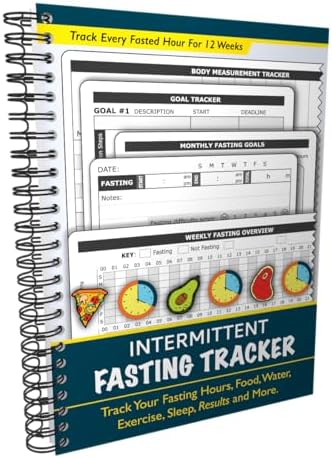
- Supercharge the results you get from fasting with the DAILY FAST & HEALTH TRACKER, where you can log all the details of …
- WEEKLY FASTING OVERVIEW – Get a weekly overview of how many hours you fasted each day. Color in or cross out the boxes a…
- MONTHLY FASTING CALENDAR – set a daily fasting goal length (e.g. 16 hours), and cross off each day on the calendar that …
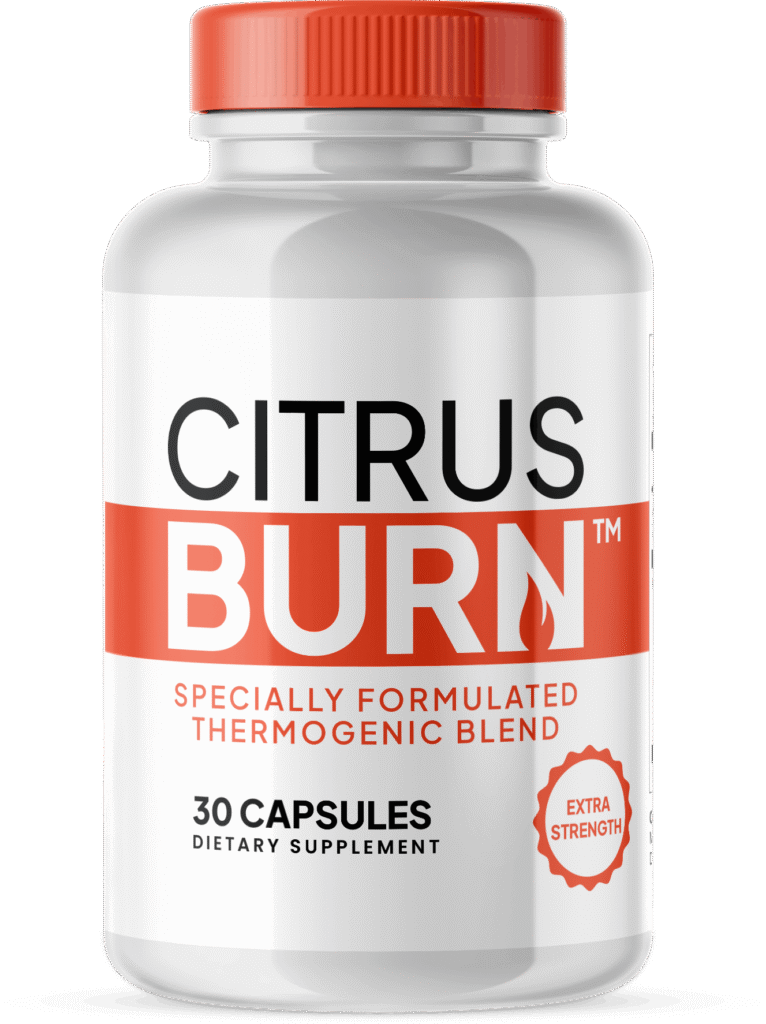
Citrus Burn
Citrus Burn is a thermogenic dietary supplement designed to support fat burning and metabolism, focusing on natural ingredients such as apple cider vinegar, ginger, and citrus extracts (such as Citrus aurantium). It aims to increase thermogenesis (heat production/calorie burning) and reduce appetite, and is recommended for continuous use for 60 to 90 days for optimal results.
Main Benefits and Features:
- What it is: A natural thermogenic designed to act as a “metabolic fix,” optimizing the body’s ability to burn fat, rather than being a quick shortcut.
- Main Ingredients: Often includes orange peel, apple cider vinegar (often Spanish), ginger, green tea, red pepper, and Korean ginseng.
- Claimed Benefits: Increased metabolism, support for fat burning (thermogenesis), sustained energy without caffeine spikes, and reduced appetite.
- Usage and Efficacy: A 3 to 6 month protocol is recommended for metabolic adaptation. The lowest cost per bottle is usually found in packs of 6 bottles (180 days).
Caution: Citrus aurantium may increase heart rate and blood pressure. It is not recommended for pregnant women and a doctor should be consulted before use.
Note: The information is based on market reports from 2025-2026. Always check the origin and ingredients on the physical label.
- Medical Disclaimer: The information in this article is for educational purposes only and should not replace professional medical advice.
- Note: It is important to consult a doctor or nutritionist before starting to use any supplement, especially if you have pre-existing conditions.
- Disclosure: This article may contain affiliate links. If you purchase through these links, we may earn a small commission at no additional cost to you.