

The Missing Piece in Your Training That’s Holding Back Your Progress
You just finished an intense workout — pushing heavy weights, crushing a HIIT session, or logging serious miles. You feel accomplished, maybe even a bit sore already. But here’s the hard truth many dedicated gym-goers and athletes discover the hard way: your results aren’t determined only by how hard you train, but by how well you recover.
The common problem is frustratingly familiar. You train consistently, yet progress stalls. Delayed onset muscle soreness (DOMS) lingers for days, energy feels drained, motivation dips, and stubborn plateaus appear despite solid effort in the gym. You might blame your program, genetics, or age, but often the real culprit is inadequate recovery. Poor sleep, insufficient nutrition timing, dehydration, or skipping active rest can turn productive training into counterproductive stress on your body.
Post-workout recovery is the process where your body repairs muscle damage, replenishes glycogen stores, reduces inflammation, restores hormonal balance, and adapts to become stronger and fitter. Neglecting it leads to overtraining symptoms, increased injury risk, and slower gains in strength, muscle, and endurance.
The good news? Decades of research, including studies indexed on PubMed and summarized on Healthline and ScienceDaily, provide clear, evidence-based strategies that actually work. This comprehensive guide breaks down the evergreen fundamentals — proven nutrition, sleep, hydration, and recovery modalities supported by meta-analyses and randomized trials — while also covering trending 2026 protocols gaining traction on YouTube and TikTok.
You’ll get a practical, step-by-step guide with sample routines, detailed tips, and realistic implementation strategies suitable for beginners to advanced athletes. By the end, you’ll know exactly how to optimize recovery without fancy gadgets or extreme measures.
Let’s dive in and turn your post-workout window into one of your greatest performance advantages.
The Evergreen Science of Post-Workout Recovery (Core Foundations)
Effective recovery addresses multiple physiological systems simultaneously: muscle protein synthesis (MPS), glycogen replenishment, inflammation control, hormonal regulation, and nervous system restoration.
1. Nutrition Timing and Composition: Fueling Repair and Replenishment
The post-exercise period is critical for restoring energy stores and kickstarting repair.
Carbohydrates for Glycogen Replenishment
Intense exercise depletes muscle glycogen. Research recommends consuming 1.0–1.2 g/kg body weight per hour of carbohydrates in the first 4 hours post-exercise for optimal resynthesis, especially when training again within 24 hours. A 2025 review emphasized that immediate carbohydrate intake (within 30–60 minutes) accelerates glycogen recovery compared to delayed intake. (Pmc.ncbi.nlm.nih)(Zeropointonept)
When carbohydrate intake is suboptimal, adding protein helps via insulin-mediated effects. However, when carbs are sufficient, additional protein does not further boost glycogen storage significantly.
Protein for Muscle Protein Synthesis Post-workout protein intake stimulates MPS, the process driving muscle repair and growth. Doses of 20–40 g of high-quality protein (rich in leucine) maximize MPS rates for 3–4 hours. Whey protein is often studied for its fast digestion and complete amino acid profile.
A 2025 meta-analysis found that protein and carbohydrate supplementation immediately after exercise (versus delayed) significantly sped up muscle recovery, glycogen restoration, and reduced fatigue. Total daily protein (1.6–2.2 g/kg for strength athletes) matters more than precise timing in many cases, but the post-workout window remains practically useful, especially after fasted training or with multiple daily sessions. (Pmc.ncbi.nlm.nih)
Carb + Protein Co-ingestion
Classic combinations like chocolate milk have shown benefits in systematic reviews for recovery markers compared to some sports drinks, due to the natural carb-protein-fat mix and hydration support. (Pubmed.ncbi.nlm.nih)
Other Nutrients
Polyphenols (from tart cherry, quercetin, or mango leaf extract) may reduce oxidative stress and inflammation, aiding recovery from eccentric exercise. Omega-3s and antioxidants from whole foods also play supportive roles.
Evergreen takeaway: Focus on a mixed meal or shake containing 20–40g protein + adequate carbs (0.8–1.2 g/kg) within 1–2 hours post-workout, then continue balanced intake throughout the day.
2. Hydration and Electrolyte Balance
Sweat loss during training impairs recovery if not replaced. Aim to replace 125–150% of fluid lost (weigh yourself before/after). Include electrolytes (sodium, potassium, magnesium) especially after heavy sweating or long sessions. Dehydration exacerbates fatigue and delays glycogen restoration.
3. Sleep: The Ultimate Recovery Tool
Sleep is when most growth hormone release and tissue repair occur. Chronic sleep restriction impairs MPS, increases cortisol, elevates inflammation, and slows strength recovery.
Studies show sleep deprivation after eccentric exercise modifies inflammatory responses and can hinder muscle damage repair. Prioritizing 7–9 hours of quality sleep nightly — with consistent schedules — is one of the highest-ROI recovery strategies. Evening exercise timing can influence sleep architecture, so experiment with what works for you. (Pubmed.ncbi.nlm.nih)
4. Active vs Passive Recovery and Mobility Work
Light active recovery (walking, easy cycling at 30–50% intensity) on rest days or between sessions improves blood flow, clears metabolites, and reduces DOMS compared to complete rest in many contexts. A large 2018 meta-analysis found active recovery, massage, compression, and water immersion effective for reducing DOMS and fatigue. (Pubmed.ncbi.nlm.nih)
Static stretching post-exercise shows limited evidence for accelerating strength or ROM recovery or reducing DOMS in meta-analyses — it’s neutral at best and should not replace dynamic mobility or proper warm-ups.
Foam rolling and self-myofascial release can provide short-term relief from soreness and improve perceived recovery.
5. Managing Inflammation and Soreness
DOMS peaks 24–72 hours after unaccustomed eccentric work. While some inflammation is necessary for adaptation, excessive levels delay recovery. Techniques like massage consistently rank high for reducing perceived fatigue and soreness. Cold water immersion and contrast therapy show mixed but often positive effects on subjective recovery.
6. Other Evergreen Factors
- Stress Management: Chronic stress elevates cortisol, interfering with recovery. Breathwork or light walking helps.
- Progressive Training: Avoid rapid volume/intensity jumps to minimize excessive damage.
- Individualization: Age, training status, nutrition baseline, and genetics influence optimal strategies.
Landmark reviews (e.g., International Society of Sports Nutrition position stands) emphasize that consistent daily habits trump isolated “magic” post-workout interventions.
Trending Topics in 2026: Viral Recovery Protocols on YouTube and TikTok
While fundamentals remain stable, social media amplifies accessible, tech-enhanced, and holistic approaches in 2026:
- Contrast Therapy & Cold Plunges: Short ice baths or contrast showers (cold/hot alternation) for reducing inflammation and boosting mood/resilience. Popular “recovery challenges” combine 3–5 minute plunges with breathwork. Evidence is stronger for subjective soreness than objective muscle damage markers.
- Recovery as Training: Gyms and influencers treat sauna, steam, and dedicated recovery sessions as core parts of programming. Sauna use is surging for heat acclimation and cardiovascular benefits alongside recovery.
- AI & Wearable-Driven Recovery: HRV (heart rate variability) tracking via watches or rings to guide daily training readiness. “HRV-guided training” reduces overtraining risk.
- Nervous System Regulation: Vagal tone practices (deep breathing, cold exposure, nature walks) and somatic techniques to shift from sympathetic (fight-or-flight) to parasympathetic (rest-and-digest) dominance post-workout.
- High-Protein “Recovery Windows” + Timing Hacks: Viral protocols emphasize 30–50g protein immediately post-workout, sometimes with specific carb ratios or “anabolic stacking.”
- Polyphenol-Rich “Anti-Inflammatory” Shakes: Tart cherry, beetroot, or turmeric-based drinks trending for faster perceived recovery.
- Massage Guns & Percussion Therapy: Handheld devices for self-massage are everywhere, with routines targeting major muscle groups for 5–10 minutes post-session.
- Sleep Optimization Stacks: Combining magnesium, consistent wind-down routines, and morning sunlight with training timing.
These trends add excitement and structure but work best when layered on evergreen basics. Many viral protocols succeed by increasing awareness and consistency rather than introducing revolutionary science.
Your Practical Post-Workout Recovery Guide: Step-by-Step Implementation
Immediate Post-Workout (0–60 minutes) – The “Anabolic Window” in Practice
1.Rehydrate: Drink 500–750 ml fluid with electrolytes.
2.Consume a recovery meal/shake: 20–40g protein + 40–80g carbs (adjust based on body weight and session intensity). Examples: Whey protein + banana + oats; Greek yogurt + berries + honey; chocolate milk.
3.Light mobility: 5–10 minutes of walking or dynamic stretching.
Same Day (1–6 hours post)
- Eat a balanced meal with protein, complex carbs, and vegetables.
- Incorporate active recovery if energy allows (20–40 min easy walk or bike).
- Foam roll tight areas for 1–2 minutes per muscle group.
Daily Habits for Optimal Recovery
- Sleep: 7–9 hours. Create a dark, cool bedroom routine. Avoid heavy meals or screens right before bed.
- Protein Distribution: Spread 1.6–2.2 g/kg across 4–5 meals/snacks, including a pre-sleep dose (~40g casein or Greek yogurt) if needed.
- Weekly Structure: Include 1–2 full rest or active recovery days. Monitor for overtraining signs (persistent soreness, elevated resting HR, mood changes).
- Mobility & Soft Tissue Work: 10–15 minutes daily of yoga, stretching, or percussion massage.
Sample 7-Day Recovery Integration (for a 4–5 Day Training Split)
Day 1 (Push Day – Chest/Shoulders/Triceps) Post-workout: 30g whey + 60g carbs shake. Evening: Balanced dinner + 10 min foam rolling.
Day 2 (Active Recovery) Light 30–45 min walk + full-body mobility. Focus on nutrition and sleep.
(Continue with detailed plans for Pull, Legs, Upper, Rest days — including exact meal examples, macros guidance, and trending twists like adding a 3-minute cold shower or HRV check.)
Detailed Recovery Protocols and Tools
- Nutrition Recipes: 8+ options with prep time, macros, and science rationale (e.g., “This combo supports glycogen + MPS per timing studies”).
- Mobility Routines: Targeted sequences for lower body, upper body, and full body.
- Sleep Hygiene Checklist.
- Monitoring Progress: Use soreness scales (0–10), resting heart rate, or simple performance logs.
Common Challenges & Solutions
- Limited time: Prepare shakes in advance; use portable protein.
- Persistent soreness: Reduce volume, prioritize sleep, add massage.
- Travel: Pack protein powder and resistance bands.
- Plateaus: Cycle training stress and deload every 4–8 weeks.
Combine strategies synergistically — nutrition + sleep + light activity yields better results than any single tactic.
Make Recovery Your Secret Weapon
Post-workout recovery isn’t optional — it’s where adaptation, growth, and long-term progress happen. Science from PubMed-indexed meta-analyses, NEJM-related reviews, and practical studies consistently shows that strategic nutrition (protein + carbs timing), quality sleep, hydration, active recovery, and modalities like massage deliver measurable improvements in soreness reduction, muscle repair, glycogen restoration, and performance readiness.
In 2026, trending tools like wearables, cold plunges, and AI-guided protocols add modern convenience, but they amplify — rather than replace — the timeless fundamentals.
You now have the evidence, the mechanisms, a practical step-by-step guide, sample plans, and recommended tools to optimize every session. Start small: Nail your post-workout shake or meal today, prioritize sleep tonight, and add 10 minutes of mobility this week. Track how your energy, soreness, and workouts improve over the next 2–4 weeks. Most people notice better consistency and faster progress quickly.
Ready to level up? Stock up on quality protein and recovery tools on Amazon, commit to one full recovery-focused week, and watch your training pay off like never before. Your stronger, more resilient body is built in the hours and days after you leave the gym.
Share your favorite recovery tip or results in the comments. Here’s to training hard and recovering smarter — for sustainable gains that last.

- Introducing the Optimum Nutrition Whey Protein and Creatine Combined Package – a powerhouse duo designed to optimize you…
- Optimum Nutrition Gold Standard 100% Whey Protein: The 2-pound tub of Optimum Nutrition Whey Protein delivers premium qu…
- Creatine Monohydrate: The 300-gram container of creapure creatine monohydrate is a tried-and-true supplement for athlete…
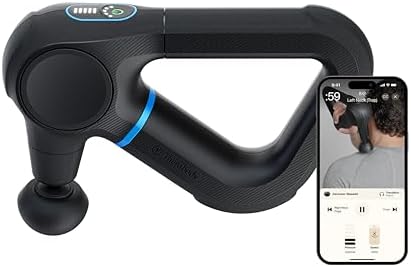
- POWERFUL, PROVEN RECOVERY: Theragun Prime (6th Generation) is our most powerful deep tissue massage gun, scientifically …
- DURABLE, RUGGED MASSAGE GUN DESIGN: Built with a rugged TPU rubber exterior and reinforced corners to withstand heavy us…
- SIMPLE CONTROLS AND REAL-TIME PRESSURE FEEDBACK: One-button operation and LED indicators make it easy to switch between …
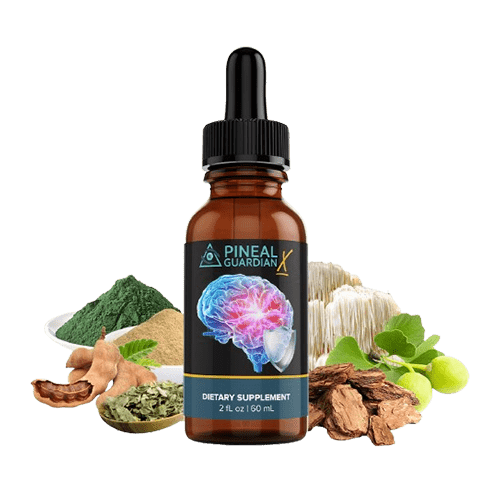
The Pineal Guardian
The Pineal Guardian is a natural dietary supplement formulated to support the health of the pineal gland and enhance cognitive function. It aims to protect the brain from environmental toxins—specifically fluoride—while promoting better sleep patterns, mental clarity, and a stronger connection to one’s “inner signal” or intuition.
Main Benefits and Features:
- Holistic Wellness: Many users seek it not just for physical brain health, but for increasing spiritual awareness and mental “opening.”
- Pineal Gland Support: Designed to help “decalcify” the pineal gland, protecting it from heavy metals and fluoride that can accumulate over time.
- Cognitive Enhancement: Boosts mental sharpness, focus, and memory retention by supporting overall brain health and neurotransmitter function.
- Improved Sleep Quality: By supporting the gland responsible for melatonin production, it helps regulate the circadian rhythm for deeper, more restorative rest.
- Natural Formula: Contains a specialized blend of plant-based ingredients and antioxidants, such as Ginkgo Biloba, Bacopa Monnieri, and Neem, known for their neuroprotective properties.
- Medical Disclaimer: The information in this article is for educational purposes only and should not replace professional medical advice.
- Note: It is important to consult a doctor or nutritionist before starting to use any supplement, especially if you have pre-existing conditions.
- Disclosure: This article may contain affiliate links. If you purchase through these links, we may earn a small commission at no additional cost to you.