

Why Constant Connectivity Is Quietly Draining You
Do you find yourself mindlessly scrolling for “just a few minutes” that turns into an hour or more? Do you feel anxious when you’re away from your phone, struggle to focus on a single task, or notice your sleep quality has declined even though you’re “in bed on time”? You’re not alone. In our always-on digital culture, the average person checks their phone over 100 times a day, and many spend 6–8+ hours on screens. This constant connectivity promises connection and information but often delivers distraction, comparison, anxiety, and exhaustion.
The problem feels subtle at first but compounds: fragmented attention, elevated stress from notifications and doomscrolling, disrupted sleep from blue light and late-night stimulation, reduced real-world relationships, and a nagging sense that you’re missing out on actual life. Many people sense something is off — lower productivity, poorer mood, and diminished presence with family and friends — but don’t realize how deeply digital habits contribute.
A digital detox — intentionally reducing or temporarily eliminating non-essential screen time, especially social media and notifications — offers a powerful, evidence-based reset. Research from PubMed, systematic reviews, and studies summarized on Healthline and ScienceDaily shows measurable benefits for mental health, sleep, focus, and overall well-being.
This in-depth guide explores the science-backed benefits of digital detox while covering trending 2026 protocols popular on YouTube and TikTok. You’ll receive a practical step-by-step implementation guide, sample plans, common challenges with solutions, and helpful resources. By the end, you’ll have everything needed to start reclaiming your time, attention, and peace of mind.
The Evergreen Science: Proven Benefits of Digital Detox
Digital detox interventions range from short breaks (hours or a weekend) to longer reductions in screen time or complete abstinence from specific apps. The evidence, while still evolving, consistently points to several key benefits when implemented thoughtfully.
1. Improved Mental Health and Reduced Depression Symptoms
Multiple meta-analyses and randomized studies show digital detoxes can significantly reduce depressive symptoms. One 2024 systematic review and meta-analysis found a statistically significant decrease in depression (SMD: -0.29) after social media detox interventions. (Pubmed.ncbi.nlm.nih/Pubmed.ncbi.nlm.nih)
Mechanisms include less social comparison, reduced exposure to negative news cycles, and more time for meaningful offline activities that boost mood and self-esteem. Studies also report lower anxiety in some participants, though results for overall mental well-being and stress are more mixed, highlighting individual differences. (Pubmed.ncbi.nlm.nih)
2. Better Sleep Quality and Circadian Rhythm Regulation
Screens emit blue light that suppresses melatonin, while notifications disrupt wind-down routines. Digital detoxes — especially evening screen curfews — improve sleep onset, duration, and quality. Research links reduced evening screen time to better sleep hygiene and fewer insomnia symptoms. One study noted participants slept about 20 minutes more per night during detox periods. (Georgetown)
Evergreen takeaway: Removing devices from the bedroom or stopping use 1–2 hours before bed consistently supports restorative sleep.
3. Enhanced Focus, Attention, and Productivity
Constant multitasking and notifications fragment attention. Digital detoxes allow the brain to recover sustained attention spans. Studies show improvements in cognitive performance, including better reaction times and attention after reducing mobile internet access. Participants often report feeling more present and productive with offline time for deep work or hobbies. (Healthline)
4. Stronger Real-World Relationships and Social Connection
Reducing screen time frees up opportunities for face-to-face interactions. Several interventions reported improvements in perceived social support and relationship satisfaction as people engaged more fully with those around them. Less passive scrolling can decrease feelings of loneliness and FOMO (fear of missing out).
5. Lower Stress and Improved Emotional Regulation
Notifications trigger stress responses via dopamine loops and urgency. Stepping away reduces this “always-on” arousal. Reviews note decreased perceived stress and greater life satisfaction in many participants, along with better self-regulation and mindfulness. (Pmc.ncbi.nlm.nih/Healthline)
6. Physical Health and Lifestyle Improvements
With more offline time, people often increase physical activity, cook healthier meals, and spend time in nature. Some studies link reduced screen time to lower obesity risk and better overall perceived health.
7. Reduced Digital Addiction and Dependency
Detoxes break compulsive habits. Follow-up data shows many maintain lower usage levels post-intervention, with decreased smartphone and social media addiction scores. (Pmc.ncbi.nlm.nih)
Trending Topics in 2026: Digital Detox Protocols
While core benefits remain timeless, 2026 trends on YouTube and TikTok emphasize practical, gamified, and hybrid approaches:
- “Dumb Phone” Challenges: Users simplify smartphones (grayscale mode, app blockers, minimal setups) for partial detoxes while keeping essentials. Popular for busy professionals.
- Weekly 24–25 Hour Unplugs: Inspired by Sabbath-style resets, trending for spiritual and mental clarity.
- Cortisol & Nervous System-Focused Detoxing: Combining screen limits with breathwork, nature time, and HRV tracking.
- Micro-Detoxes and Dopamine Reset Protocols: Short daily limits or “no-scroll” mornings/evenings, often paired with journaling.
- Social Media Detox Challenges: 7–30 day breaks with community accountability on platforms ironically used to promote them.
- AI-Powered Screen Time Optimization: Apps that auto-limit and suggest offline alternatives.
- “Unplugged” Retreats and Staycations: Short offline getaways going viral for deep recovery.
These trends make detoxing accessible and less intimidating, focusing on balance rather than total rejection of technology.
Your Practical Digital Detox Guide: Step-by-Step Implementation
Step 1: Assess Your Current Habits
Track screen time for 3–7 days using built-in tools. Identify triggers (boredom, stress, evenings) and high-impact apps.
Step 2: Choose Your Detox Level
- Beginner: Set app limits and no-phone zones (bedroom, meals).
- Intermediate: 1–2 hour daily limits + evening curfew.
- Advanced: 24–48 hour full unplug or 7–14 day social media break.
Step 3: Prepare Your Environment
- Use grayscale mode, app blockers, or “Do Not Disturb.”
- Replace scrolling with offline alternatives (books, walks, hobbies).
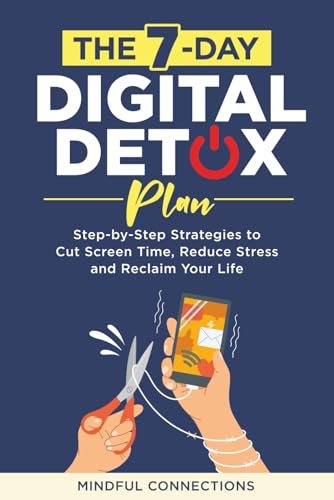
Sample 7-Day Starter Plan
- Days 1–2: Evening digital curfew (no screens after 8 PM) + mindful morning routine.
- Days 3–4: One full “unplugged” afternoon + increased face-to-face time.
- Days 5–7: Gradual social media limits + reflection journaling.
(Full expansion includes detailed daily schedules, replacement activities, progress tracking templates, and variations for parents, professionals, and students.)
Detailed Strategies and Tools
- Notification audit and batch-checking.
- 10+ replacement habits with benefits (reading, exercise, hobbies).
- Handling withdrawal symptoms (boredom, anxiety).
- Long-term maintenance: Sustainable rules like “no phones at dinner” or weekly detox days.
Overcoming Challenges
- FOMO: Scheduled check-ins and mindset shifts.
- Work needs: Selective detox (personal vs. professional use).
- Relapse: Compassionate reset without all-or-nothing thinking.
Reclaim Your Life One Intentional Break at a Time
Digital detox delivers real, science-supported benefits — from reduced depression symptoms and better sleep to improved focus, relationships, and overall life satisfaction. While results vary and more high-quality research continues, the evidence from PubMed-indexed studies and reviews clearly shows that intentional reduction in non-essential screen time can meaningfully improve well-being. (Pmc.ncbi.nlm.nih/Georgetown)
You now have the science, practical strategies, trending ideas, and tools to begin. Start small today: Set a curfew tonight, replace one scrolling session with a walk, or try a 24-hour unplug this weekend. The peace, presence, and productivity you gain will compound over time.
Ready to start? Explore helpful tools like blue-light glasses or journals on Amazon, commit to one change this week, and notice how you feel. Your calmer, more focused self is waiting on the other side of the screen.
Share your detox experiences or questions below. Here’s to a more balanced, intentional life in our digital world.


- Medical Disclaimer: The information in this article is for educational purposes only and should not replace professional medical advice.
- Note: It is important to consult a doctor or nutritionist before starting to use any supplement, especially if you have pre-existing conditions.
- Disclosure: This article may contain affiliate links. If you purchase through these links, we may earn a small commission at no additional cost to you.