The Biological Imperative of the 21st Century
In the relentless pursuit of modern achievement, sleep has been erroneously categorized as a luxury—a passive state of inactivity that can be traded for an extra hour of work or entertainment. However, the emerging consensus in neurobiology and chronobiology suggests a radical paradigm shift: sleep is not merely a period of rest, but an active, highly orchestrated physiological process essential for every facet of human existence. From the molecular clearing of neurotoxic waste via the glymphatic system to the complex consolidation of memory and emotional regulation, sleep is the bedrock upon which all health is built. To neglect sleep is to systematically dismantle one’s potential, inviting a cascade of chronic health issues, cognitive decline, and emotional dysregulation.
This masterclass is designed to be the most comprehensive resource available on the science and practice of sleep optimization. We will move beyond superficial advice like “avoid caffeine” and delve into the intricate mechanisms of the circadian rhythm, the neurochemistry of sleep onset, and the cutting-edge technologies of 2026 that are redefining how we recover. Drawing upon rigorous scientific research from esteemed institutions such as Harvard Medical School, Stanford University, and the National Institutes of Health, this guide will provide a detailed roadmap to reclaiming your biological birthright: impeccable sleep. Whether you are a high-performance athlete striving for marginal gains, a corporate executive navigating demanding schedules, or an individual grappling with chronic insomnia, the protocols outlined here will empower you to transform your relationship with rest, unlocking unparalleled levels of physical and cognitive performance, emotional resilience, and longevity.
The Neurobiology of Sleep — Understanding the Machinery
To master sleep, one must first possess a profound understanding of the complex neurobiological machinery that orchestrates it. Sleep is not a monolithic state but a dynamic, multi-staged process governed by an intricate interplay of neurotransmitters, hormones, and neural circuits. At its core, sleep is regulated by a dual-process model: Process S (homeostatic sleep drive) and Process C (circadian rhythm).
1.1 Process S: The Adenosine Accumulation and the Homeostatic Drive for Sleep
From the very moment we awaken, our brains embark on a continuous process of energy expenditure. Every thought, every movement, every cellular function consumes adenosine triphosphate (ATP), the primary energy currency of the cell. As ATP is utilized, it breaks down into adenosine, a neuromodulator that begins to accumulate in the extracellular space of the brain. This accumulation of adenosine is the molecular embodiment of Process S, or the homeostatic sleep drive.
As adenosine levels steadily rise throughout our waking hours, they bind to specific adenosine receptors (primarily A1 receptors) located on the surface of neurons. This binding initiates a cascade of inhibitory effects, progressively dampening neuronal activity and promoting a sense of drowsiness and fatigue. The longer we remain awake, the greater the accumulation of adenosine, and consequently, the stronger the urge to sleep. This is the brain’s elegant mechanism for ensuring that we eventually succumb to the need for rest, preventing excessive energy depletion and cellular stress.
During sleep, particularly during the deeper stages of non-rapid eye movement (NREM) sleep, the brain actively clears adenosine from its extracellular environment. This clearance is crucial for restoring neuronal sensitivity and preparing the brain for optimal function upon awakening. If sleep is curtailed, adenosine levels remain elevated, leading to a phenomenon known as “sleep debt.” This residual adenosine contributes to impaired cognitive function, reduced alertness, and a persistent feeling of grogginess, even after a brief period of sleep.
The Caffeine Conundrum: A Molecular Deception
Caffeine, the world’s most widely consumed psychoactive substance, exerts its wake-promoting effects primarily by acting as an adenosine receptor antagonist. Structurally similar to adenosine, caffeine molecules bind to adenosine receptors, effectively blocking adenosine from exerting its inhibitory effects. This molecular deception prevents the brain from registering the rising sleep pressure, thereby masking fatigue without actually alleviating it.
It is critical to understand that caffeine does not provide genuine energy; it merely borrows it from the future. By blocking adenosine, caffeine allows us to push through natural fatigue, but the underlying sleep debt continues to accumulate. Once caffeine is metabolized and clears the system, the unmasked adenosine rapidly floods the receptors, often leading to a sudden and intense “caffeine crash.” This mechanism underscores the importance of a strict “caffeine curfew” to prevent interference with natural sleep onset, a topic we will explore in greater detail in Part II.
1.2 Process C: The Circadian Rhythm – The Master Clock of Life
While Process S dictates when we need to sleep, Process C, the circadian rhythm, dictates when we are biologically predisposed to sleep and wake. This endogenous, approximately 24-hour cycle is an ancient evolutionary adaptation that synchronizes our internal physiology with the external light-dark cycle of our planet. It governs a vast array of biological processes, including hormone secretion, body temperature fluctuations, metabolic rate, and cognitive performance.
The Suprachiasmatic Nucleus (SCN): The Brain’s Pacemaker
The master pacemaker of the circadian rhythm resides in a tiny cluster of approximately 20,000 neurons located in the hypothalamus, just above where the optic nerves cross. This region is known as the Suprachiasmatic Nucleus (SCN). The SCN acts as the central orchestrator, receiving direct input from specialized photoreceptors in the retina and then sending signals to virtually every cell and organ in the body, synchronizing their individual “peripheral clocks”.
Light: The Primary Zeitgeber
The most potent environmental cue (or “zeitgeber,” German for “time-giver”) for the SCN is light, particularly blue-spectrum light. Specialized melanopsin-containing retinal ganglion cells (ipRGCs) in the eye are exquisitely sensitive to blue light. When these cells detect blue light, they send a direct, non-image-forming signal to the SCN. This signal is interpreted as “daytime” and triggers a cascade of events designed to promote wakefulness and suppress the production of melatonin, the hormone of darkness.
Conversely, the absence of blue light signals the SCN that it is nighttime. This allows the pineal gland, a small endocrine gland in the brain, to begin synthesizing and releasing melatonin. Melatonin does not directly induce sleep; rather, it acts as a hormonal signal, informing the body that it is time to prepare for sleep by lowering core body temperature and reducing alertness.
| Circadian Marker | Typical Peak Time | Physiological Role | Impact of Disruption |
| Cortisol | Early Morning (6-8 AM) | Promotes alertness, mobilizes energy, anti-inflammatory | Chronic fatigue, anxiety, immune dysfunction |
| Core Body Temperature | Late Afternoon (4-6 PM) | Peak physical performance, metabolic rate | Impaired athletic performance, metabolic dysregulation |
| Melatonin | Early Evening (9-11 PM) | Signals onset of biological night, lowers body temperature | Delayed sleep onset, fragmented sleep, mood disorders |
| Growth Hormone | Early Night (Deep Sleep) | Tissue repair, muscle growth, fat metabolism | Reduced physical recovery, impaired body composition |
1.3 The Glymphatic System: The Brain’s Nightly Detoxification Program
One of the most groundbreaking discoveries in sleep science in recent years is the elucidation of the Glymphatic System. Published in Science in 2013, this research revealed a previously unknown macroscopic waste clearance system in the brain, analogous to the lymphatic system of the body.
How the Glymphatic System Works
During wakefulness, the brain’s metabolic activity generates various waste products, including neurotoxic proteins like beta-amyloid and tau protein, which are implicated in neurodegenerative diseases such as Alzheimer’s. The glymphatic system becomes highly active during sleep, particularly during deep NREM sleep. During this phase, the brain’s glial cells (specifically astrocytes) undergo a remarkable transformation: they shrink, causing the interstitial space between neurons to increase by up to 60%.
This expansion allows cerebrospinal fluid (CSF) to rapidly flow along perivascular channels, effectively flushing out accumulated metabolic waste products from the brain’s parenchyma. It is akin to a nightly “power wash” for the brain, essential for maintaining neuronal health and cognitive function. A compromised glymphatic system, often due to chronic sleep deprivation, leads to the accumulation of these toxic proteins, increasing the risk of neurodegenerative disorders.
The Critical Role of Deep Sleep
The efficiency of the glymphatic system is directly correlated with the depth and continuity of NREM sleep. Fragmented sleep, or sleep that lacks sufficient deep NREM stages, significantly impairs glymphatic clearance. This underscores why simply getting enough hours of sleep is not sufficient; the quality and architecture of that sleep are paramount for brain health.
1.4 The Architecture of Sleep: Navigating the Stages of Restoration
Sleep is not a uniform state but a complex, cyclical journey through distinct stages, each with unique physiological characteristics and restorative functions. A typical night’s sleep consists of multiple 90-minute cycles, alternating between Non-Rapid Eye Movement (NREM) sleep and Rapid Eye Movement (REM) sleep.
1.4.1 Non-Rapid Eye Movement (NREM) Sleep: The Body’s Deep Repair
NREM sleep is further subdivided into three distinct stages:
- Stage 1 (N1): The Gateway to Sleep. This is the lightest stage of sleep, often described as a transitional phase between wakefulness and sleep. It typically lasts only a few minutes. During N1, brain activity begins to slow, transitioning from the high-frequency beta waves of wakefulness to slower alpha and theta waves. Muscle activity decreases, and eye movements slow down. Individuals awakened from N1 often report not feeling like they were asleep at all.
- Stage 2 (N2): The Foundation of Light Sleep. N2 is a deeper stage of light sleep, accounting for approximately 50% of our total sleep time. During this stage, brain waves continue to slow, characterized by specific patterns called sleep spindles and K-complexes. Sleep spindles are bursts of brain activity thought to be involved in memory consolidation, while K-complexes are sharp, high-amplitude waves that may protect sleep from external disturbances . Heart rate and body temperature continue to decrease, and eye movements cease. This stage is crucial for motor learning and the consolidation of procedural memories.
- Stage 3 (N3): Deep Sleep – The Zenith of Restoration. N3, also known as deep sleep or slow-wave sleep (SWS), is the most profoundly restorative stage. Characterized by high-amplitude, low-frequency delta brain waves, N3 is when the body performs its most critical repair and regeneration. During this stage, Human Growth Hormone (HGH) is predominantly released, facilitating tissue repair, muscle growth, and fat metabolism. Crucially, the glymphatic system is most active during N3, performing its vital brain detoxification. N3 is paramount for physical recovery, immune function, and the consolidation of declarative memories (facts and events). Disruption of N3 sleep can have severe consequences for physical health, cognitive function, and emotional regulation.
1.4.2 Rapid Eye Movement (REM) Sleep: The Mind’s Renewal
REM sleep, typically occurring in longer bouts towards the end of the night, is characterized by an active brain, rapid eye movements, and muscle atonia (temporary paralysis). This is the primary dreaming stage, vital for emotional processing, creativity, problem-solving, and consolidating complex procedural and spatial memories. During REM, the brain integrates new information and strips emotional charge from memories, contributing to emotional resilience and mental well-being. The amount of REM sleep we get is often correlated with our ability to cope with stress and process complex emotional experiences. Disruptions to REM sleep can lead to increased anxiety, irritability, and difficulty with emotional regulation.
Part II: The 70% Evergreen Pillars — The Foundation of Rest
To optimize these intricate biological processes, we must align our environment and behavior with our evolutionary needs. These “Evergreen” strategies form the 70% of the content that remains timeless and universally applicable, regardless of technological advancements or fleeting trends. Mastering these fundamentals is non-negotiable for anyone serious about improving their sleep quality.
2.1 Light Management: The Master Switch of Your Circadian Rhythm
The most significant disruptor of modern sleep is artificial light. Our ancestors evolved under a clear light-dark cycle, but the advent of electric lighting has blurred these boundaries, sending confusing signals to our internal clocks. To master your light environment, you must implement a two-phase protocol:
2.1.1 Phase 1: Morning Light Anchoring – The Circadian Reset Button
- The Protocol: View sunlight within 30 minutes of waking for 10-30 minutes. This should be direct outdoor light, not through a window, as glass filters out crucial wavelengths. Even on cloudy days, the lux (light intensity) outside is significantly higher than any indoor lighting, providing a potent signal to your SCN.
- The Science: This morning light exposure triggers the “cortisol awakening response,” a natural and healthy spike in cortisol that promotes alertness and energy for the day. Crucially, it also sets a precise timer for melatonin production, signaling to your pineal gland that melatonin should begin to be released approximately 14-16 hours later. This consistent morning signal reinforces a robust circadian rhythm, making it easier to fall asleep at night.
- Implementation: Make it a non-negotiable part of your morning routine. Step outside, take a walk, or have your coffee on a balcony. If you live in a dark climate or during winter months, a 10,000 lux light therapy box (often marketed as a SAD lamp) can be a viable alternative, though less effective than natural light. Position it about an arm’s length away and look indirectly at it for 20-30 minutes.
2.1.2 Phase 2: Evening Light Mitigation – Protecting Your Melatonin
- The Protocol: Dim all lights and eliminate blue-spectrum light 2-3 hours before your desired bedtime. This is perhaps the most challenging, yet critical, aspect of modern sleep hygiene.
- The Science: Even small amounts of blue light, particularly from electronic screens and modern LED lighting, can suppress melatonin production for hours, delaying sleep onset and disrupting the natural progression through sleep stages. The melanopsin-containing cells in your retina are exquisitely sensitive to blue light, and their activation signals “daytime” to your SCN, even if it’s late at night.
- Implementation:
- Dim the Lights: Lower the intensity of overhead lights. Use lamps with warm-toned bulbs (e.g., amber or red spectrum) in the evening. Avoid harsh, bright white lights.
- Blue-Light Blocking Glasses: Invest in high-quality blue-light blocking glasses that filter out 99-100% of blue and green light. Look for lenses with an orange or red tint for maximum efficacy. These are a non-negotiable tool for anyone using screens in the evening.
- Screen Filters/Night Mode: Utilize night mode settings on electronic devices (e.g., “Night Shift” on iOS, f.lux on computers), but be aware that these often do not filter enough blue light to be fully effective. Ideally, avoid screens altogether in the 2-3 hours before bed. If screen use is unavoidable, combine night mode with blue-light blocking glasses.
- Candlelight/Firelight: For a truly ancient and melatonin-friendly evening, consider using candlelight or firelight, which are naturally devoid of blue spectrum light.
2.2 Thermal Engineering: The Cooling Requirement for Deep Sleep
Your body’s core temperature plays a pivotal role in sleep initiation and maintenance. To fall asleep, your core body temperature needs to drop by 2-3°F (approximately 1-1.5°C). This is why insomnia is often linked to thermoregulatory issues; if your body struggles to dissipate heat, it will struggle to initiate sleep.
2.2.1 The “Warm Bath” Paradox: Leveraging Vasodilation for Cooling
- The Protocol: It may seem counterintuitive, but taking a hot bath or shower 1-2 hours before bed actually aids in cooling your core body temperature. The heat from the water causes vasodilation (opening of blood vessels) in the hands and feet, bringing warm blood to the surface of your skin. When you exit the bath, this increased surface blood flow allows for more efficient heat dissipation into the cooler ambient air, leading to a rapid drop in core body temperature. This rapid drop is a powerful physiological signal for sleep onset.
- Implementation: Aim for a bath or shower that is comfortably warm, not scalding hot. Spend 10-20 minutes in the water, then allow your body to naturally cool down in a slightly cooler room.
2.2.2 Optimizing the Bedroom Environment for Thermoregulation
- Ideal Temperature: 65°F (18°C) is widely considered the “goldilocks” temperature for sleep for most adults. Research consistently shows that temperatures outside the optimal range can significantly disrupt sleep architecture, particularly deep sleep. Experiment within the 60-67°F (15.5-19.4°C) range to find your personal sweet spot.
- Bedding: Use natural, breathable fibers like linen, wool, or bamboo for your sheets and blankets. These materials help regulate body temperature and wick away moisture, preventing overheating during the night. Avoid synthetic polyesters that trap heat and can lead to night sweats.
- Advanced Tech (Eight Sleep Pod 4): For those seeking ultimate thermal control, a water-cooled mattress topper like the Eight Sleep Pod 4 (which we will discuss in more detail in Part III) can dynamically adjust temperature throughout the night based on your sleep stages and physiological data. This active thermal regulation can significantly enhance deep sleep duration and reduce nocturnal awakenings.
2.3 Nutritional Foundations and Timing: Fueling Rest, Avoiding Disruptors
What and when you eat and drink has a profound impact on your sleep architecture and overall sleep quality. Strategic nutritional choices can support neurotransmitter production and hormonal balance essential for sleep, while poor choices can severely disrupt it.
2.3.1 The Caffeine Curfew: Respecting Adenosine Homeostasis
- The Protocol: Implement a strict “Caffeine Curfew” at least 10 hours before your desired bedtime. For most individuals, this means no caffeine after 2:00 PM.
- The Science: Caffeine has a half-life of approximately 5-6 hours, and a quarter-life of 10-12 hours. This means that if you consume a standard cup of coffee (around 100mg caffeine) at 4:00 PM, 25mg of that caffeine is still active in your brain at 4:00 AM. Even small amounts of residual caffeine can disrupt deep sleep, increase sleep latency (the time it takes to fall asleep), and reduce overall sleep efficiency, even if you don’t consciously feel stimulated.
- Implementation: Be mindful of hidden caffeine sources, such as certain teas, energy drinks, and even some pain relievers. Gradually reduce your afternoon caffeine intake if you are a heavy consumer to avoid withdrawal symptoms.
2.3.2 The Alcohol Myth: A Sedative, Not a Sleep Aid
- The Protocol: Avoid alcohol, especially in the hours before bed. Ideally, cease alcohol consumption at least 3-4 hours before your desired sleep time.
- The Science: While alcohol is a sedative that may help you fall asleep faster, it is a potent disruptor of sleep quality. It metabolizes into acetaldehyde, which is stimulating, and it severely fragments sleep architecture, suppresses REM sleep, and increases heart rate. Even a single drink can reduce sleep quality by up to 24%, leading to more frequent awakenings and a less restorative night. Alcohol also relaxes the muscles in the throat, exacerbating snoring and increasing the risk of sleep apnea.
- Implementation: If you choose to drink, do so in moderation and well before bedtime. Prioritize sleep over a nightcap.
2.3.3 Meal Timing and Composition: Optimizing Digestion for Rest
- The Protocol: Finish your last large meal at least 3 hours before bed. Focus on balanced macronutrients and avoid heavy, spicy, or sugary foods close to sleep.
- The Science: Digesting a heavy meal too close to sleep can elevate core body temperature and cause gastrointestinal discomfort (e.g., acid reflux, bloating), both of which interfere with sleep onset and maintenance. Blood sugar fluctuations from sugary foods can also lead to nocturnal awakenings.
- Implementation: Prioritize a dinner rich in lean protein, healthy fats, and complex carbohydrates. If you must eat closer to bedtime, choose a small, easily digestible, protein-rich snack (e.g., a handful of almonds, a small serving of Greek yogurt) to stabilize blood sugar without taxing your digestive system. Tryptophan-rich foods (turkey, chicken, nuts, seeds) can be beneficial as tryptophan is a precursor to serotonin and melatonin.
2.3.4 Hydration: Balancing Fluid Intake
- The Protocol: Stay adequately hydrated throughout the day, but reduce fluid intake in the 2-3 hours before bed to minimize nocturnal awakenings for urination.
- The Science: Dehydration can lead to headaches and muscle cramps, disrupting sleep. However, excessive fluid intake before bed can lead to nocturia (frequent urination during the night), fragmenting sleep. The goal is balance.
- Implementation: Drink plenty of water earlier in the day. If you feel thirsty before bed, take small sips of water, but avoid large glasses.
Part III: The 30% Trending Topics — The 2026 Innovation Frontier
While the foundational “Evergreen” pillars are essential, the “Trending” 30% of our content focuses on the viral protocols and technological breakthroughs of 2026. These innovations, often emerging from the intersection of biohacking, AI, and advanced neuroscience, offer powerful new tools for those seeking to push the boundaries of sleep optimization.
3.1 Bedtime Stacking: The Viral TikTok Protocol for Psychological Anchoring
“Bedtime Stacking” has become a dominant trend, particularly among younger demographics and those struggling with “racing thoughts” at night. It involves performing a curated sequence of low-stimulation, high-reward activities exclusively within the bed environment. The core principle is to create a powerful psychological association between the bed and a state of profound relaxation, counteracting the modern tendency to use the bed for work, social media, or anxious rumination.
3.1.1 The Science of Context-Dependent Memory and Classical Conditioning
Bedtime Stacking leverages principles of context-dependent memory and classical conditioning. By consistently associating the bed with calming stimuli (e.g., reading a physical book, gentle stretching, journaling, listening to soothing music), the brain learns to anticipate relaxation upon entering that specific environment. This can be particularly effective for individuals who struggle with “sleep-onset insomnia” due to a hyper-aroused state, effectively re-training the brain to view the bed as a sanctuary for rest . This is a direct application of Pavlovian conditioning, where the bed becomes a conditioned stimulus for relaxation.
3.1.2 A Detailed Bedtime Stacking Protocol (Example):
- 60 Minutes Before Bed: Digital Detox & Blue Light Blockage: Power down all screens (phones, tablets, laptops, TVs). Don high-quality blue-light blocking glasses (orange/red lenses). Begin dimming house lights to create a cave-like environment. This signals to your brain that the biological night is beginning.
- 45 Minutes Before Bed: Warm Bath/Shower & Hydration: Engage in the warm bath paradox (as detailed in Chapter 2.2.1). Drink a small glass of water with a pinch of sea salt (for electrolytes and trace minerals) or a calming herbal tea (e.g., chamomile, passionflower, valerian root). Avoid sugary drinks.
- 30 Minutes Before Bed: Gentle Movement & Self-Massage: Perform 5-10 minutes of gentle stretching, Yin Yoga poses, or foam rolling. Focus on releasing tension in the neck, shoulders, and hips. Use a magnesium-infused lotion for a self-foot or hand massage, leveraging transdermal magnesium absorption for added relaxation.
- 20 Minutes Before Bed: Reading & Journaling (In Bed): Get into bed. Read 15-20 pages of a physical, non-stimulating book (fiction or light non-fiction). Avoid thrillers, news, or work-related material. Follow with 5 minutes of gratitude journaling or a “brain dump” to clear your mind of any lingering thoughts or worries. Keep a pen and paper next to your bed for this purpose.
- 10 Minutes Before Bed: Breathwork & Brainwave Entrainment (In Bed): Practice 5 minutes of cyclic sighing (a double inhale through the nose followed by a long, slow exhale through the mouth) or box breathing (inhale 4, hold 4, exhale 4, hold 4). Put on comfortable headphones for binaural beats (delta or theta waves) or pink noise, which can guide your brain into states conducive to deep relaxation and sleep.
3.2 Vagus Nerve Stimulation (VNS): Activating the Rest-and-Digest System
The vagus nerve is the longest cranial nerve, extending from the brainstem to the abdomen, playing a crucial role in the parasympathetic nervous system, often called the “rest-and-digest” system. Activating the vagus nerve can reduce heart rate, lower blood pressure, and promote a state of calm conducive to sleep, effectively counteracting the chronic “fight or flight” state many modern individuals experience.
3.2.1 Transcutaneous Vagus Nerve Stimulation (tVNS)
- The Technology: Non-invasive devices like Pulsetto or Apollo Neuro deliver mild electrical pulses to specific points on the ear (auricular branch of the vagus nerve) or the wrist. This can significantly reduce anxiety, improve heart rate variability (HRV), and promote deeper, more restorative sleep. Clinical trials in 2026 continue to validate its efficacy for insomnia, stress reduction, and even certain mood disorders. These devices are becoming increasingly sophisticated, with AI-driven algorithms that personalize stimulation patterns based on real-time physiological feedback.
- Trending Products: The Pulsetto and WillSleep patches are currently viral on YouTube and TikTok for their ability to “turn off” nighttime anxiety and facilitate rapid relaxation. Users report a noticeable shift from a state of hyper-arousal to calm within minutes of activation.
3.2.2 Manual Vagal Activation Techniques
For those without access to devices, several manual techniques can stimulate the vagus nerve:
- Deep, Slow Breathing: Particularly diaphragmatic breathing (belly breathing) and cyclic sighing (a double inhale followed by a long exhale, popularized by neuroscientist Andrew Huberman). These techniques directly influence heart rate and promote parasympathetic dominance.
- Cold Exposure: Splashing cold water
- on the face, taking a cold shower, or even a brief cold plunge can acutely stimulate the vagus nerve, leading to a calming response.
- Gargling and Humming: These actions activate muscles in the throat that are innervated by the vagus nerve, providing a gentle, internal stimulation.
3.3 Mouth Taping and Nasal Breathing: The Nasal Breathing Revolution
The “Mouth Taping” trend, popularized by books like Breath by James Nestor and viral TikToks, is grounded in the profound physiological benefits of nasal breathing. Nasal breathing increases nitric oxide production by six-fold, which improves oxygen delivery to the brain and prevents the snoring and dry mouth that lead to fragmented sleep.
3.3.1 The Profound Benefits of Nasal Breathing During Sleep:
- Nitric Oxide Production: Nasal breathing significantly increases the production of nitric oxide (NO) in the paranasal sinuses. NO is a potent vasodilator, improving blood flow and oxygen delivery throughout the body, including the brain. It also has antimicrobial properties, helping to filter and humidify inhaled air.
- Reduced Snoring & Sleep Apnea: Nasal breathing helps maintain an open airway, reducing snoring and potentially mitigating mild cases of obstructive sleep apnea. Mouth breathing, conversely, can exacerbate these issues.
- Improved Oral Health: Mouth breathing dries out the mouth, leading to an imbalance in the oral microbiome, increased risk of cavities, and gum disease. Nasal breathing promotes saliva production and maintains oral pH, contributing to better oral hygiene.
- Enhanced Oxygenation: The slower, deeper breaths associated with nasal breathing allow for more efficient oxygen exchange in the lungs, leading to better overall oxygenation of the blood and tissues.
3.3.2 Crucial Caveats and Implementation:
- Safety First: Only attempt mouth taping if your nasal passages are clear and you can comfortably breathe through your nose. If you have chronic nasal congestion, a deviated septum, or any respiratory issues, consult a healthcare professional before trying mouth taping.
- Specialized Tape: Use specialized, porous, medical-grade tape designed for this purpose, such as Hostage Tape or similar products. Never use regular adhesive tape, which can irritate the skin and be difficult to remove.
- Gradual Introduction: Start with short periods during the day to get accustomed to nasal breathing. Then, try it for a portion of the night, gradually increasing duration as you become comfortable.
Part IV: Strategic Supplementation – Targeted Support for Sleep Pathways
While a nutrient-dense diet is foundational, certain supplements can provide targeted support for the neurochemical pathways involved in sleep. Always consult a healthcare professional before starting any new supplement regimen, especially if you have underlying health conditions or are taking medications.
4.1 Foundational Sleep Supplements
- Magnesium (145mg L-Threonate or 200-400mg Glycinate): Magnesium is a crucial mineral involved in over 300 enzymatic reactions, many of which are vital for sleep. It helps calm the nervous system by activating the parasympathetic system, regulates neurotransmitters like GABA (an inhibitory neurotransmitter that promotes relaxation), and can reduce muscle tension. Magnesium L-Threonate is particularly noted for its ability to cross the blood-brain barrier, potentially enhancing cognitive function and deep sleep duration, while magnesium glycinate is highly bioavailable and less likely to cause digestive upset.
- Apigenin (50mg): A flavonoid found in chamomile, apigenin acts as a mild anxiolytic by binding to GABA-A receptors in the brain, promoting relaxation and reducing anxiety without causing sedation. It can be particularly helpful for individuals whose sleep is disrupted by racing thoughts or mild anxiety.
- L-Theanine (100-200mg): An amino acid found in green tea, L-Theanine promotes relaxation without drowsiness by increasing alpha brain wave activity, which is associated with a state of relaxed alertness. It can also reduce the stimulating effects of caffeine and improve sleep quality, making it a popular choice for evening wind-down.
- Glycine (2-3g): This amino acid can improve sleep quality by lowering core body temperature and reducing the time it takes to fall asleep. It also acts as an inhibitory neurotransmitter in the brain, promoting calmness and potentially enhancing deep sleep.
- Tart Cherry Extract (equivalent to 100-200mg anthocyanins): Tart cherries are a natural source of melatonin and tryptophan. Studies have shown that tart cherry juice or extract can improve sleep quality and duration, particularly in individuals with insomnia, by increasing the bioavailability of tryptophan and enhancing melatonin levels.
- Inositol (2-4g): A sugar alcohol that plays a role in cell signaling, inositol can be beneficial for individuals with anxiety or obsessive thoughts that interfere with sleep. It influences serotonin and GABA pathways, helping to calm the mind before bed.
4.2 Advanced Hormonal Support (Under Medical Supervision)
- Melatonin (0.3-1mg, timed release): While often overused and misunderstood, low-dose, timed-release melatonin can be effective for specific purposes, such as resetting circadian rhythms (e.g., jet lag, shift work) or for individuals with age-related declines in natural melatonin production. Higher doses are generally not more effective and can lead to morning grogginess. Always use under medical guidance to determine appropriate timing and dosage.
- 5-HTP (50-100mg): A precursor to serotonin, which in turn is a precursor to melatonin. 5-HTP can be beneficial for some, but should be used cautiously and ideally under medical supervision, especially if taking antidepressants, due to the potential for serotonin syndrome.
Part V: The 2026 Sleep Technology Landscape – Smart Solutions for Smarter Sleep
The convergence of artificial intelligence, wearable sensors, and advanced materials has ushered in a new era of personalized sleep technology. In 2026, these devices are no longer just tracking; they are actively intervening and coaching to optimize your rest, creating a truly integrated sleep ecosystem.
5.1 The Integrated Smart Bedroom: A Closed-Loop System
The ultimate sleep environment of 2026 is a fully integrated, AI-adaptive system that dynamically responds to your physiological needs. This “closed-loop” system eliminates human error and ensures optimal conditions throughout the night.
5.1.1 Smart Mattresses and Covers: Dynamic Thermal Regulation
- Eight Sleep Pod 4: The Eight Sleep Pod 4 remains the undisputed leader in active thermal regulation. Its advanced sensors track heart rate, respiratory rate, heart rate variability (HRV), and sleep stages with medical-grade accuracy. The integrated AI then uses this data to precisely adjust the water-based heating and cooling of the mattress cover, often varying temperature by a few degrees throughout the night to optimize each sleep stage. A 2025 study published in the Journal of Sleep Research demonstrated that users of the Eight Sleep Pod experienced a 19% increase in deep sleep duration and a 32% reduction in sleep disturbances compared to a control group using a standard mattress.
- ChiliSleep (ChiliPad/Ooler): These systems continue to be popular for their effective water-based temperature control, offering a more accessible entry point into active thermal management. The Ooler system provides more precise temperature control and a scheduling feature, allowing users to program temperature changes throughout the night.
5.1.2 AI-Powered Wearables: Your Personal Sleep Coach
- Oura Ring Gen 4: The Oura Ring Gen 4 has evolved beyond a simple tracker into a sophisticated AI-powered sleep coach. Its advanced photoplethysmography (PPG) sensors provide highly accurate data on heart rate, HRV, respiratory rate, and skin temperature. The accompanying app uses proprietary algorithms to generate a daily “Readiness Score” and personalized insights.
- Coaching Capabilities: If your Readiness Score is low due to poor sleep, the Oura AI might suggest specific breathing exercises, recommend an earlier bedtime, or advise against intense workouts. Conversely, a high score might encourage peak performance. The integration of Large Language Models (LLMs) allows for more nuanced, conversational coaching, providing actionable advice tailored to your unique physiological responses.
- Whoop 5.0: Another leading wearable, the Whoop 5.0 focuses on recovery and strain. Its sleep tracking is highly accurate, providing detailed insights into sleep stages and disturbances. The device provides a “Recovery Score” that helps users understand their physiological state and optimize their training and rest, making it particularly popular among athletes and high-performers.
5.1.3 Smart Lighting Systems: Circadian-Friendly Illumination
Integrated smart lighting systems (e.g., Philips Hue, Lutron Caséta) are now capable of dynamically adjusting color temperature and brightness throughout the day, mimicking natural light cycles. They can be programmed to emit bright, blue-rich light in the morning and gradually shift to warm, amber-red light in the evening, supporting natural melatonin production and reinforcing a healthy circadian rhythm.
5.2 Advanced Acoustic Solutions: Soundscapes for Deeper Sleep
Beyond simple white noise, 2026 sleep tech offers sophisticated acoustic environments designed to optimize brainwave states for deeper, more restorative sleep.
5.2.1 Pink Noise Generators
Unlike white noise, which has equal power across all frequencies, pink noise has more power at lower frequencies, mimicking natural sounds like rainfall or rustling leaves. Studies published in Frontiers in Human Neuroscience have shown that listening to pink noise during sleep can enhance slow-wave activity (deep sleep) and improve memory consolidation, particularly in older adults. This is believed to be due to its ability to synchronize neural activity during NREM sleep.
5.2.2 Spatial Audio Sleepscapes
New applications and devices are leveraging spatial audio technology to create immersive, three-dimensional soundscapes. These can simulate environments like a gentle forest, a quiet beach, or even a distant thunderstorm, guiding the brain into a relaxed state and masking environmental disturbances more effectively than traditional stereo sound. The realism of these soundscapes can significantly reduce cognitive arousal before sleep.
5.3 Sleep Headbands: Direct Brainwave Modulation
Sleep headbands, such as the Muse S and Elemind, represent a frontier in direct brainwave intervention. These devices use electroencephalography (EEG) sensors to monitor brain activity and then deliver subtle auditory or haptic feedback to guide the brain into desired sleep states, offering a personalized approach to neurofeedback for sleep.
- Muse S: Offers real-time biofeedback during meditation and sleep. During sleep, it provides “Digital Sleeping Pills”—guided audio content that responds to your brain activity to help you fall asleep and stay asleep. It can detect when you are drifting off and adjust the audio accordingly.
- Elemind: A newer entrant, Elemind uses targeted acoustic stimulation to enhance specific brainwave frequencies associated with deep sleep. Its co-founder and CEO, Meredith Perry, revealed on LinkedIn that the company has seen significant growth, backed by investors like Jeff Bezos, indicating strong market interest in this technology and its potential to revolutionize sleep optimization.
Part VI: The Problem of the Modern Sleeper – A Public Health Crisis and Its Solutions
The modern human is arguably the most sleep-deprived species in history. The relentless march of technological advancement, coupled with societal pressures for constant productivity, has created an environment fundamentally hostile to restorative sleep. Artificial light, 24/7 connectivity, demanding work schedules, and chronic stress have converged to create a pervasive public health crisis. Global surveys consistently reveal that a vast majority of adults desire to improve their sleep, yet over a third of American adults report insufficient sleep, a systemic failure stemming from a society that fundamentally undervalues rest.
Chronic sleep deprivation is not merely an inconvenience; it is a potent risk factor for a staggering array of chronic diseases and cognitive impairments, systematically dismantling one’s health and potential. Understanding these consequences is the first step towards prioritizing sleep.
6.1 Metabolic Dysfunction: The Silent Epidemic
Insufficient sleep profoundly disrupts metabolic homeostasis. It alters the delicate balance of appetite-regulating hormones, increasing levels of hunger-promoting ghrelin and decreasing levels of satiety-promoting leptin, leading to increased caloric intake and a preference for high-carbohydrate, high-fat foods. Furthermore, sleep deprivation impairs insulin sensitivity, forcing the pancreas to produce more insulin to maintain normal blood glucose levels, significantly increasing the risk of obesity and Type 2 Diabetes. A 2024 study published in Nature utilizing long-term wearable data highlighted the direct correlation between irregular sleep patterns and an elevated risk of metabolic syndrome.
6.2 Cardiovascular Disease: A Heartbreaking Connection
The cardiovascular system is highly vulnerable to the effects of chronic sleep loss. Insufficient sleep elevates blood pressure, promotes systemic inflammation, and impairs endothelial function (the health of blood vessel linings), dramatically increasing the risk of hypertension, atherosclerosis, heart attack, and stroke. The American Heart Association’s “Life’s Essential 8” now explicitly includes sleep duration as a key metric for cardiovascular health, underscoring its critical importance.
6.3 Immune Compromise: The Body’s Defense Weakened
Sleep is absolutely critical for a robust immune system. Sleep deprivation suppresses the activity of key immune cells, such as natural killer (NK) cells, and reduces the production of essential cytokines, making individuals more susceptible to infections (e.g., common cold, flu) and reducing the efficacy of vaccinations. A well-rested immune system is better equipped to fight off pathogens and recover from illness.
6.4 Cognitive & Mental Health Decline: The Brain Under Siege
The brain bears a heavy burden from sleep loss. It erodes attention, concentration, working memory, and decision-making abilities. Critically, chronic sleep deprivation impairs the glymphatic system’s ability to clear neurotoxic waste products, increasing the accumulation of proteins like beta-amyloid, which is strongly linked to an elevated risk of neurodegenerative diseases like Alzheimer’s . Beyond cognitive function, sleep loss is a major risk factor for mood disorders, including depression and anxiety, and contributes to emotional dysregulation, making individuals more prone to stress and less able to cope with daily challenges. A 2023 ScienceDaily report emphasized that “getting good sleep could add years to your life,” directly linking sleep quality to longevity and cognitive preservation.
Part VII: Troubleshooting and FAQ – Addressing Common Sleep Challenges
Even with optimal strategies, sleep can be elusive. Here are common issues and evidence-based solutions, drawing from both traditional sleep medicine and cutting-edge biohacking insights:
- “I wake up in the middle of the night and can’t fall back asleep.” This is a very common complaint. It often points to blood sugar dysregulation (avoid late-night sugars, ensure balanced macronutrients at dinner) or sympathetic nervous system activation (stress, anxiety). If you wake, avoid checking the time, which creates performance anxiety and further activates your stress response. Instead, practice calming breathwork (e.g., 4-7-8 breathing, cyclic sighing) or a brief, non-stimulating meditation until you feel drowsy again. Ensure your bedroom is completely dark and cool.
- “I’m tired even after 8 hours of sleep.” This suggests poor sleep quality, not necessarily insufficient quantity. Focus on increasing your deep (N3) and REM sleep by rigorously optimizing your light exposure (morning light, evening darkness), bedroom temperature, and alcohol intake. Consider getting tested for underlying sleep disorders like sleep apnea, which can severely fragment sleep without conscious awareness, leading to chronic fatigue despite adequate time in bed. Wearable trackers like Oura Ring can provide valuable insights into your sleep stages.
- “My mind is racing when I try to sleep.” This is a classic sign of sympathetic nervous system overdrive. Implement a strict wind-down routine (as detailed in Chapter 2.1.2), journal before bed to offload thoughts and worries, and utilize vagal nerve activation techniques (Chapter 3.2) to shift into a parasympathetic state. Consider a short, guided meditation or progressive muscle relaxation before bed.
- “I need to use the bathroom multiple times a night.” Reduce fluid intake in the 2-3 hours before bed. If the issue persists, consult a doctor to rule out underlying medical conditions such as benign prostatic hyperplasia (BPH) in men, overactive bladder, or diabetes. Sometimes, electrolyte imbalance can also contribute, so ensure adequate mineral intake throughout the day.
- “I snore loudly.” Snoring can be a sign of obstructed breathing. Consider mouth taping (Chapter 3.3) if nasal passages are clear. Side sleeping can also reduce snoring. If severe, or accompanied by gasping, choking, or daytime fatigue, consult a sleep specialist for evaluation of sleep apnea, which is a serious condition requiring medical intervention.
- “I have restless legs syndrome (RLS).” RLS can significantly impair sleep. It is often linked to iron deficiency, so consult your doctor for blood tests. Magnesium supplementation (Chapter 4.1) can also be helpful for some individuals. Avoid caffeine and alcohol, which can exacerbate symptoms.
Part VIII: The Sleep Optimizer’s Toolkit – Curated Recommendations
To help you implement these strategies, here is a curated list of products and programs, including affiliate recommendations, that align with the scientific principles discussed. These tools represent the best-in-class options for 2026, designed to support your journey to optimal sleep.
Your Future Begins Tonight – Embrace the Power of Rest
Sleep is not merely a biological necessity; it is the ultimate determinant of human potential, a powerful lever for optimizing every facet of your life. By understanding the intricate science of sleep, meticulously engineering your environment, strategically supporting your neurochemistry with nutrition and supplementation, and leveraging cutting-edge technology, you can reclaim your innate capacity for truly restorative sleep. This is not a passive endeavor but an active, informed commitment to your well-being.
The rewards of mastering your sleep are immeasurable: enhanced cognitive function, robust immunity, stable mood, profound vitality, and a significantly reduced risk of chronic disease. Your journey to optimal health and peak performance begins tonight, with the conscious choice to prioritize and protect your sleep. The investment in your sleep is an investment in your entire future.
Your Call to Action: The 30-Day Sleep Transformation Challenge
Embark on a personalized 30-day journey to transform your sleep. Choose one or two strategies from each chapter that resonate most with your current needs and integrate them consistently. Track your progress using a sleep wearable or a simple sleep journal.
- Week 1: Circadian Reset & Foundational Hygiene: Focus on consistent wake times, morning light exposure, and strict caffeine/alcohol curfews. Optimize your bedroom environment for darkness, quiet, and coolness.
- Week 2: Nutritional & Thermal Optimization: Integrate strategic supplements (Magnesium, Apigenin, L-Theanine) and fine-tune your bedroom temperature with active cooling/heating solutions if available. Experiment with the warm bath paradox.
- Week 3: Biohacking Integration: Introduce advanced techniques like VNS, brainwave entrainment, or mouth taping. Experiment with red light therapy. Pay attention to how these tools impact your sleep metrics.
- Week 4: Refinement & Personalization: Analyze your sleep tracking data (Oura, Whoop) to identify what works best for you. Solidify your personalized sleep routine and make it an unshakeable habit. Continuously iterate and adjust based on your body’s unique responses.
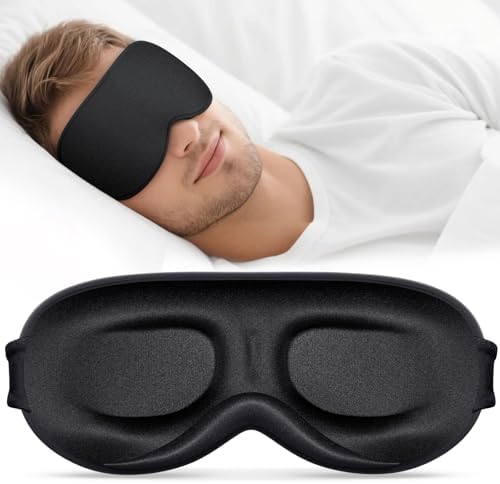
- 100% Light Blackout – Sleep in True Darknes: Vynix sleep mask features a flexible one-piece nose bridge and 360° contour…
- Zero Eye Pressure – Safe for Eyelash Extensions: The 3D contoured design of this sleeping mask creates a protective spac…
- Side Sleepers Friendly: Ultra-thin sides and a widened headband that reduce pressure on temples, face and ears while ens…
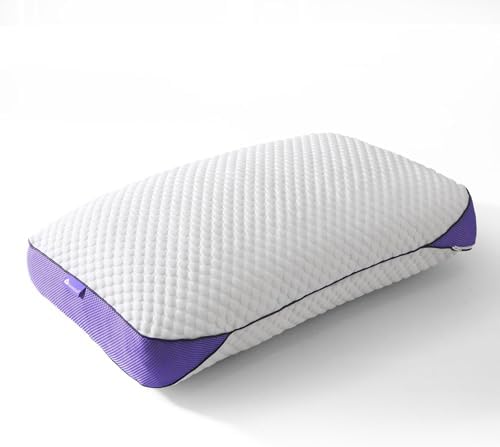
- Adjustable Comfort: Customize your sleep experience with a 100% removable cover; adjust the foam pack to match your slee…
- Magic Cooling Tech: One side features a cooling, moisture-wicking fabric, while the other side offers ultra-soft and air…
- Great Resilience: The slow-rebound foam adapts to your unique shape; suit for side, back, or stomach sleeper; quick adju…
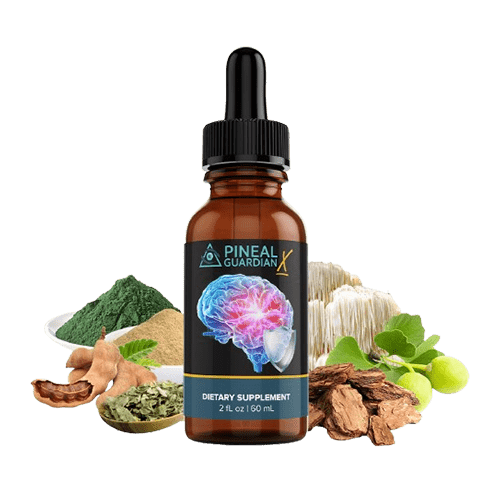
The Pineal Guardian
The Pineal Guardian is a natural dietary supplement formulated to support the health of the pineal gland and enhance cognitive function. It aims to protect the brain from environmental toxins—specifically fluoride—while promoting better sleep patterns, mental clarity, and a stronger connection to one’s “inner signal” or intuition.
Main Benefits and Features:
- Pineal Gland Support: Designed to help “decalcify” the pineal gland, protecting it from heavy metals and fluoride that can accumulate over time.
- Cognitive Enhancement: Boosts mental sharpness, focus, and memory retention by supporting overall brain health and neurotransmitter function.
- Improved Sleep Quality: By supporting the gland responsible for melatonin production, it helps regulate the circadian rhythm for deeper, more restorative rest.
- Natural Formula: Contains a specialized blend of plant-based ingredients and antioxidants, such as Ginkgo Biloba, Bacopa Monnieri, and Neem, known for their neuroprotective properties.
- Holistic Wellness: Many users seek it not just for physical brain health, but for increasing spiritual awareness and mental “opening.”
- Medical Disclaimer: The information in this article is for educational purposes only and should not replace professional medical advice.
- Note: It is important to consult a doctor or nutritionist before starting to use any supplement, especially if you have pre-existing conditions.
- Disclosure: This article may contain affiliate links. If you purchase through these links, we may earn a small commission at no additional cost to you.