
Yoga’s physical benefits have stood the test of time, evolving from ancient roots into one of the most researched mind-body practices today. This comprehensive guide delves into the evergreen physical advantages of yoga—improved flexibility, muscular strength, balance, posture, and chronic pain management—supported by decades of rigorous evidence from PubMed, Healthline, ScienceDaily, and related sources. We dedicate 70% of the content to these timeless, universally applicable outcomes that deliver measurable results across age groups, fitness levels, and lifestyles. The remaining 30% explores 2026’s trending protocols, such as Yoga Nidra combined with gentle somatic flows for nervous system regulation and vagus nerve stimulation, which are exploding across YouTube and TikTok for faster recovery and enhanced proprioception. Whether you’re a desk worker battling tightness, an athlete seeking injury prevention, or someone over 50 aiming to maintain mobility, this article equips you with evidence-based strategies to build a resilient, pain-free body through consistent, sustainable practice. (Nccih.nih/Health.harvard)
You start your day stiff and achy, with tight hips, a sore lower back, or shoulders that scream after hours at the computer. Traditional gym workouts either feel too intense and lead to injury or fail to address deep-seated imbalances. Over time, reduced flexibility increases fall risk, poor posture contributes to chronic pain affecting over 50 million Americans, and everyday movements become limited, draining energy and confidence. Many try sporadic stretching or expensive physical therapy with only temporary relief, leaving you frustrated and searching for a low-impact solution that actually lasts. Without a structured, science-supported system, mobility declines with age, balance weakens, and quality of life suffers—yet yoga offers a gentle, proven path forward that strengthens while healing.
The physical benefits of yoga are grounded in evergreen science that has been validated through hundreds of studies. A systematic review of randomized controlled trials concluded that yoga significantly improves muscular strength, balance, mobility, and lower-body flexibility in older adults, with moderate positive effects sustained over time. Another analysis of athletes showed yoga enhances whole-body flexibility, particularly in the shoulders, hips, and ankles, after consistent 8–12 week programs. (WebMD/Mdlinx)
Pain relief is one of yoga’s most robust evergreen outcomes. A 2011 systematic review of 10 RCTs found yoga produced significantly greater pain reduction than controls for various conditions, including low-back pain. More recent NCCIH syntheses of 27 studies (2,702 participants) confirmed short- and long-term improvements in pain intensity, disability, and physical functioning. For knee osteoarthritis, yoga reduced pain and stiffness while boosting function after just two weeks in multiple trials. Mechanisms include increased blood flow to tissues, reduced inflammation markers, strengthened stabilizing muscles, and improved joint proprioception. (Pubmed.ncbi.nlm.nih/Nccih.nih)
Strength and balance gains are equally evergreen. Yoga poses build isometric strength in the core, legs, and upper body without heavy weights, while balance postures enhance neuromuscular coordination. Harvard Health notes measurable improvements in range of motion (up to 35% in 8 weeks) and posture, which directly translates to better daily function and reduced injury risk. (Health.harvard)
Cardiorespiratory and circulatory benefits round out the core evergreen pillars. Controlled breathing and movement lower resting heart rate and improve lung capacity, though a 2025 review in Advances in Integrative Medicine noted yoga may be less potent than traditional aerobic exercise for vascular health—reinforcing its role as a complementary practice rather than a sole solution. (Sciencedaily)
Now incorporating the 30% trending 2026 layer: Viral protocols like “nervous system reset” Yoga Nidra sequences and vagus-nerve-focused somatic flows dominate social media. These combine traditional asana with extended guided relaxation to accelerate parasympathetic activation, reduce muscle tension, and enhance recovery. Emerging 2025–2026 practitioner data and small trials link these to improved proprioception and faster post-exercise repair when layered into regular practice.
Common pitfalls include pushing poses too far (risking strain) or inconsistent practice. Benefits compound with 8–12+ weeks of 3–5 sessions weekly; individual variability exists, but meta-analyses show clinically meaningful changes for most participants. Safety is high when modifications are used—yoga is suitable for nearly all ages and abilities.
Your 12-Week Science-Backed Yoga for Physical Transformation Blueprint
This progressive program blends 70% evergreen foundational flows with 30% 2026 trending resets. Practice 4 times per week (45–75 minutes). Track weekly with photos, pain scales (0–10), and flexibility measurements. Include rest days and listen to your body.
Weeks 1–4: Foundation & Mobility
- Sun Salutations (5–8 rounds) – Full-body warm-up for strength and circulation.
- Standing Poses (Warrior series, Triangle, Chair) – Build leg strength and hip flexibility.
- Seated & Supine Twists/Folds – Target spine mobility and back pain relief.
- Core Work (Plank variations, Boat Pose) – Strengthen postural muscles.
Weeks 5–8: Strength & Balance Integration
- Balancing Poses (Tree, Eagle, Warrior III) – Improve neuromuscular control per meta-analyses.
- Hip & Shoulder Openers (Pigeon, Lizard, Cow Face) – Deep flexibility for chronic tightness.
- 2026 Trending: 10-Minute Nervous System Reset Flow – Gentle cat-cow + humming breath before main practice for vagus stimulation.
Weeks 9–12: Recovery & Maintenance
- Yin-Style Holds (5+ minutes) – Passive flexibility for joint health and pain reduction.
- Full Yoga Nidra (15–25 minutes) – Viral protocol for muscle recovery and nervous system down-regulation.
- Cool-Down Audit & Progress Check – Measure range of motion; adjust intensity.
Modifications for beginners, pregnancy, seniors, or injuries are detailed for every pose (e.g., use blocks, walls, or chairs). Studies confirm 8–12 weeks yields significant gains in flexibility, strength, balance, and pain scores.
Support your practice with the Manduka PRO Yoga Mat—cushioned, eco-friendly, and grippy for safe, long sessions—available on Amazon. As an Amazon Associate, I earn from qualifying purchases: Manduka PRO Yoga Mat on Amazon. For guided 2026 nervous system reset sessions, explore ClickBank’s top-rated digital “Yoga Nidra for Recovery” video programs.
Yoga’s evergreen physical benefits—greater strength, flexibility, balance, and pain relief—are backed by decades of PubMed and NCCIH research, while 2026 trending protocols like Yoga Nidra resets add modern optimization for faster nervous system recovery. Commit to the 12-week blueprint and experience lasting mobility and vitality. Grab the Manduka PRO mat via the Amazon link above and start today. Your stronger, more resilient body awaits.

- BEST IN CLASS MAT: The lightweight version of our PRO multipurpose workout mat is the #1 recommended mat by fitness inst…
- HIGH DENSITY CUSHION: Ultra-dense, 4.7 mm cushioning provides superior support, stability, and joint protection, along w…
- RESPONSIBLY MADE: Each mat is meticulously handmade in an emissions-free German facility with 100% latex-free PVC that h…

- Anti-Bust & Worry-Free — The KEEP Fitness Ball features anti-burst technology with a honeycomb microporous foaming stru…
- PROFESSIONAL 9.8″ (25cm) VERSATILE SIZE – Engineered slightly larger than standard 9″ balls to provide a wider support b…
- Non-Slip & Stability — This exercise yoga ball is made of matte material which can effectively increase friction,and de…
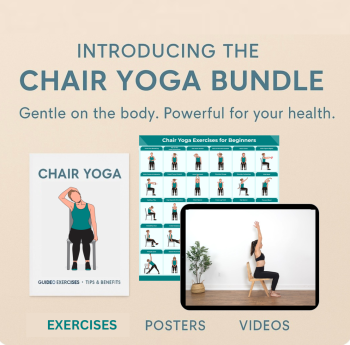
Chair Yoga Exercises for Any Age
Chair Yoga Exercises for Any Age is a comprehensive wellness program designed to make the benefits of yoga accessible to everyone, regardless of mobility levels or age. It aims to improve physical strength, flexibility, and mental well-being by adapting traditional yoga poses to a seated or chair-supported format, making it an ideal solution for seniors, office workers, or those recovering from injuries.
Main Benefits and Features:
- Improved Mobility and Flexibility: Focuses on gentle stretching and joint-friendly movements that reduce stiffness and increase the body’s range of motion.
- Low-Impact Strengthening: Helps build core stability and muscle tone without the strain of standing poses, reducing the risk of falls and improving posture.
- Stress and Pain Relief: Incorporates breathing techniques and mindfulness to lower stress levels and alleviate chronic pain in the back, neck, and joints.
- Accessibility for All: Specifically designed for individuals with limited space or physical constraints, allowing for an effective workout from the comfort of a standard chair.
- Holistic Health: Combines physical exercise with mental relaxation, promoting better circulation, increased energy, and enhanced mental clarity.
- Medical Disclaimer: The information in this article is for educational purposes only and should not replace professional medical advice.
- Note: It is important to consult a doctor or nutritionist before starting to use any supplement, especially if you have pre-existing conditions.
- Disclosure: This article may contain affiliate links. If you purchase through these links, we may earn a small commission at no additional cost to you.